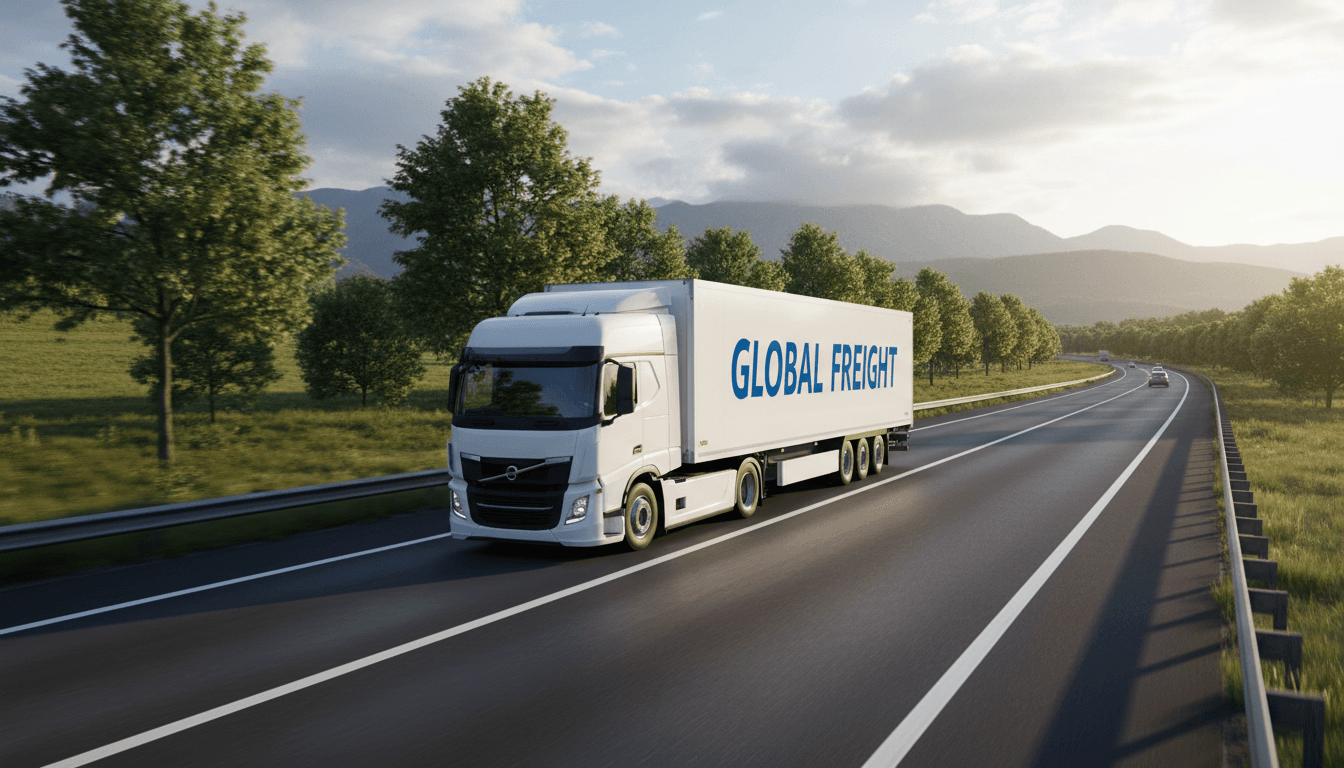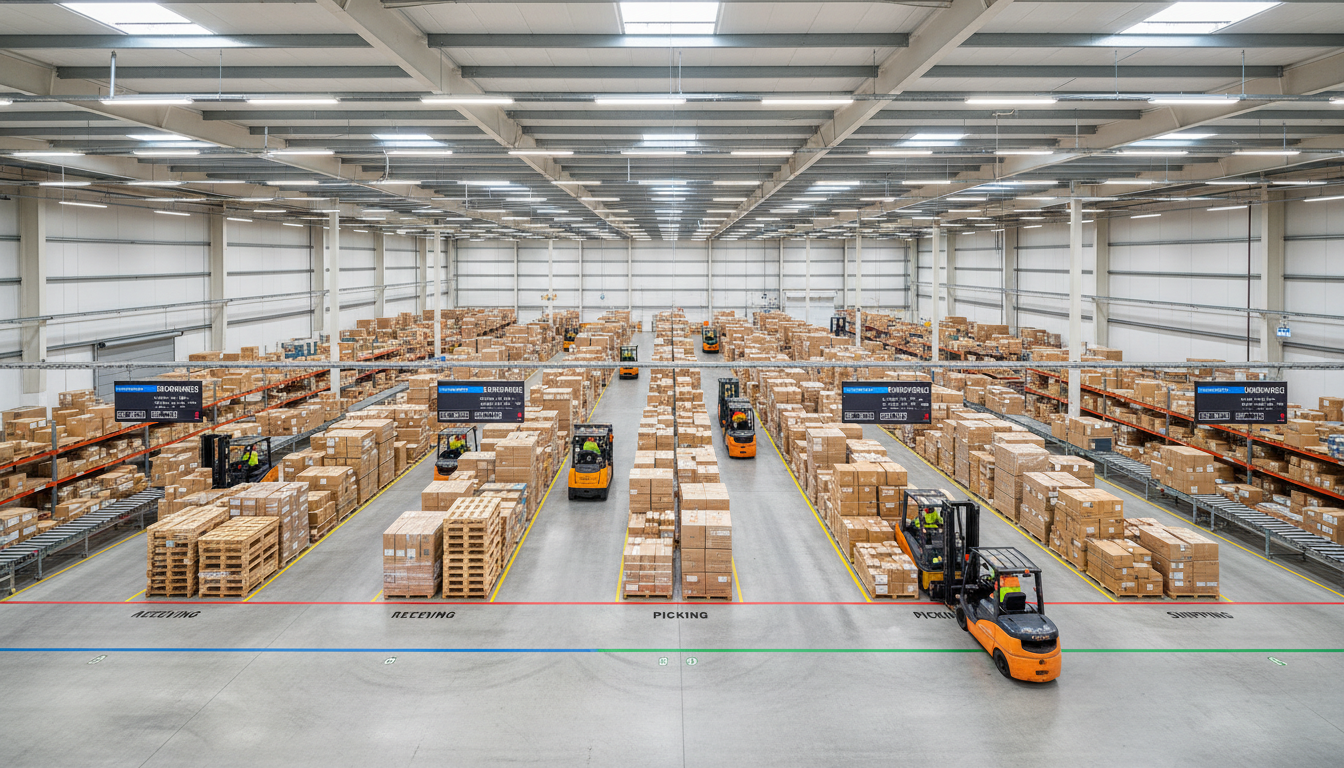
Small businesses can optimize their logistics by choosing between parcel, LTL, and FTL services based on specific shipment weight and volume requirements. Finding the best shipping options for small business Utah typically involves using parcel for small packages, LTL for mid-sized palletized freight, and FTL for large loads that require a dedicated trailer.
Navigating the logistical landscape of the Beehive State requires more than just a basic understanding of carrier rates. For many Utah small businesses, the challenge lies in the delicate balance between delivery speed and operational overhead; this is especially true when navigating the I-15 corridor or reaching remote rural customers. Choosing the wrong method, whether it is an overpriced parcel or an underutilized freight trailer, directly erodes your bottom line. At Juab Logistics, we recognize that local businesses need precision in their supply chain to remain competitive in a crowded market. This guide examines the critical differences between parcel, less-than-truckload, and full truckload shipping specifically within the Utah market. You will learn how to identify the most cost-effective solution for your volume, understand how regional geography impacts transit times, and discover how to optimize your shipping strategy for maximum profitability.
Navigating Freight and Logistics in the Beehive State
Operating a business in Utah requires navigating a diverse geographical landscape. A company might coordinate shipments along the high-traffic I-15 corridor one day and reach the more secluded, rural stretches of Juab County the next. For local owners, understanding the nuances of shipping options for small business Utah operations is critical for maintaining healthy margins. Selecting an inefficient shipping mode does more than complicate scheduling; it acts as a direct hit to the bottom line through unnecessary surcharges and wasted fuel.
Effective logistics solutions in Juab County rely on matching the specific needs of a shipment to the right transportation method. Generally, these methods fall into three categories: Parcel, Less Than Truckload (LTL), and Full Truckload (FTL). Each has its own cost structure, handling requirements, and speed.
Parcel: Best for small, lightweight individual packages.
LTL: The middle ground for shipments between one and six pallets.
FTL: Dedicated trailers for high-volume or sensitive cargo.
Determining which path to take depends on volume, weight, and destination. This guide provides the technical breakdown local businesses need to secure reliable freight coordination and optimize their supply chains. If you have specific questions about a complex route, you can always contact our team for a quote.
What is Parcel Shipping and When Does it Make Sense for Utah Businesses
Parcel shipping refers to individual packages that weigh 150 pounds or less. This category serves as the primary distribution method for Utah e-commerce retailers, especially those selling direct to consumer goods like apparel, small electronics, or specialized tools. Unlike heavier freight modes, parcel shipping relies on a vast network of automated sorting facilities and high volume conveyor systems.
This method involves high touchpoints, meaning each individual box is handled multiple times as it moves from a local pickup to a regional hub and eventually to a delivery van. While this infrastructure allows for granular tracking and residential doorstep delivery, it also exposes goods to more physical movement than palletized freight. For businesses in Juab County, parcel is often the default choice for last mile delivery to rural residences where larger commercial trucks might face access challenges.
Local businesses must monitor their volume carefully to maintain cost efficiency. While parcel is the most convenient of the shipping options for small business Utah owners sending a single item, it becomes cost prohibitive once a shipment scales. If you are sending more than 10 to 15 boxes to the same destination, the cumulative cost of individual labels, fuel surcharges, and residential fees typically exceeds the price of a single palletized shipment. For recurring deliveries to retail partners or construction sites, consolidating these packages into a single unit often provides more reliable freight coordination and protects the bottom line from escalating parcel fees. Businesses looking to optimize these costs can contact our team for a quote to compare parcel consolidation against other freight modes.
Understanding LTL Freight Shipping for Small Business: The Flexible Middle Ground
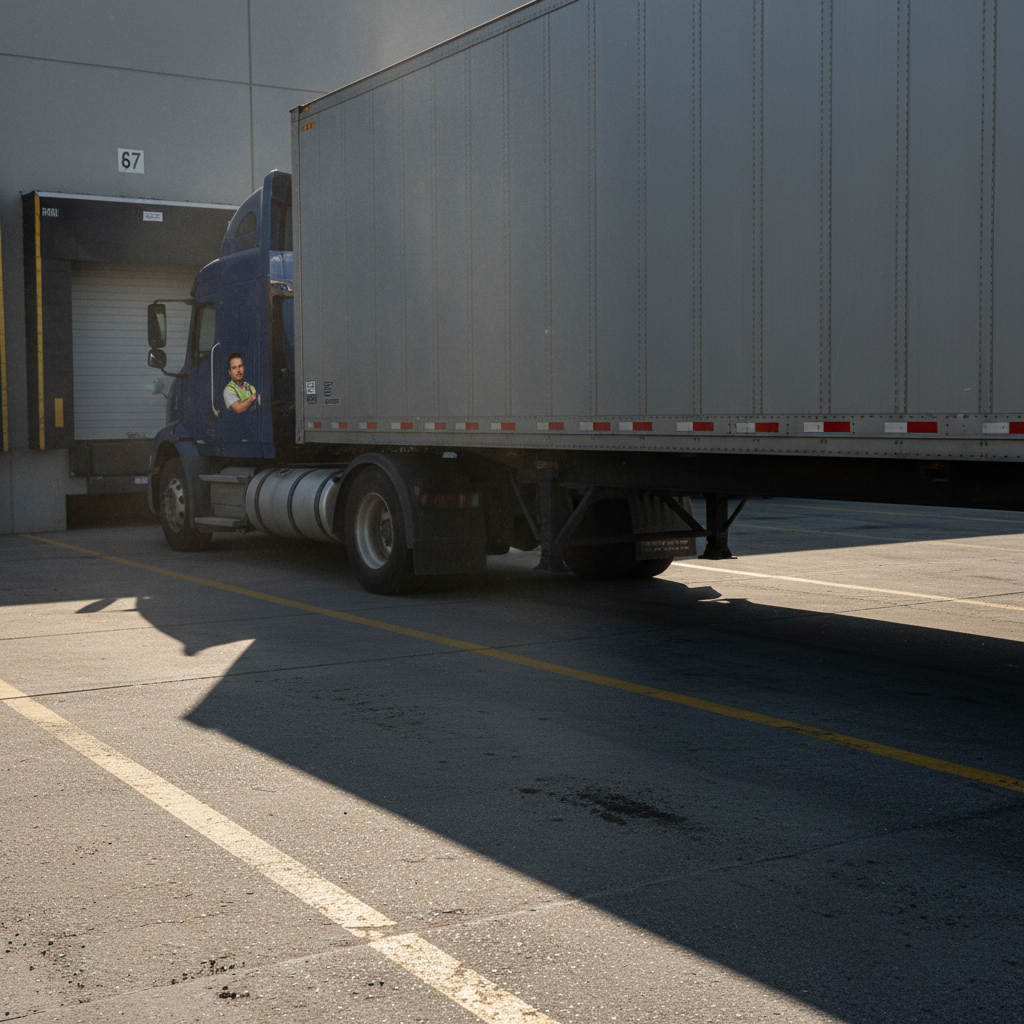
When individual packages become too heavy or numerous, Less Than Truckload (LTL) shipping provides a bridge between parcel services and dedicated trailers. This mode is designed for freight that exceeds the 150 pound parcel limit but does not require the full capacity of a 53 foot trailer. For shipping options for small business Utah operations, LTL typically handles shipments ranging from 150 to 15,000 pounds.
Local companies in Utah's expanding manufacturing and agricultural sectors often find LTL to be their most strategic tool. A machine shop in Nephi or a commercial farm in Levan might only need to move one to six pallets at a time. LTL allows these operators to pay only for the portion of the trailer their cargo occupies. While rates depend on the freight class and current fuel surcharges, many shipments moving within the Utah region range from $200 to $800, making it a budget friendly choice for growing enterprises.
The cost efficiency of LTL stems from a shared logistics model. Your pallets share space with goods from other shippers, which maximizes the utility of the vehicle. This process involves the freight moving through a network of regional hubs where it may be transferred between trailers. Because of these additional stops and handling points, LTL generally adds one to two days to the total transit time when compared to a direct, full truckload delivery.
Selecting LTL requires a careful balance of cost and timing. It remains the flexible middle ground for businesses that need reliable freight coordination but do not yet have the volume to justify a dedicated truck. By leveraging these logistics solutions in Juab County, local owners can maintain professional supply chain standards without the overhead of enterprise level shipping. For those needing a precise breakdown of how these costs apply to specific routes, they can contact our team for a quote.
When to Move to FTL: Full Truckload Shipping for High Volume and Priority
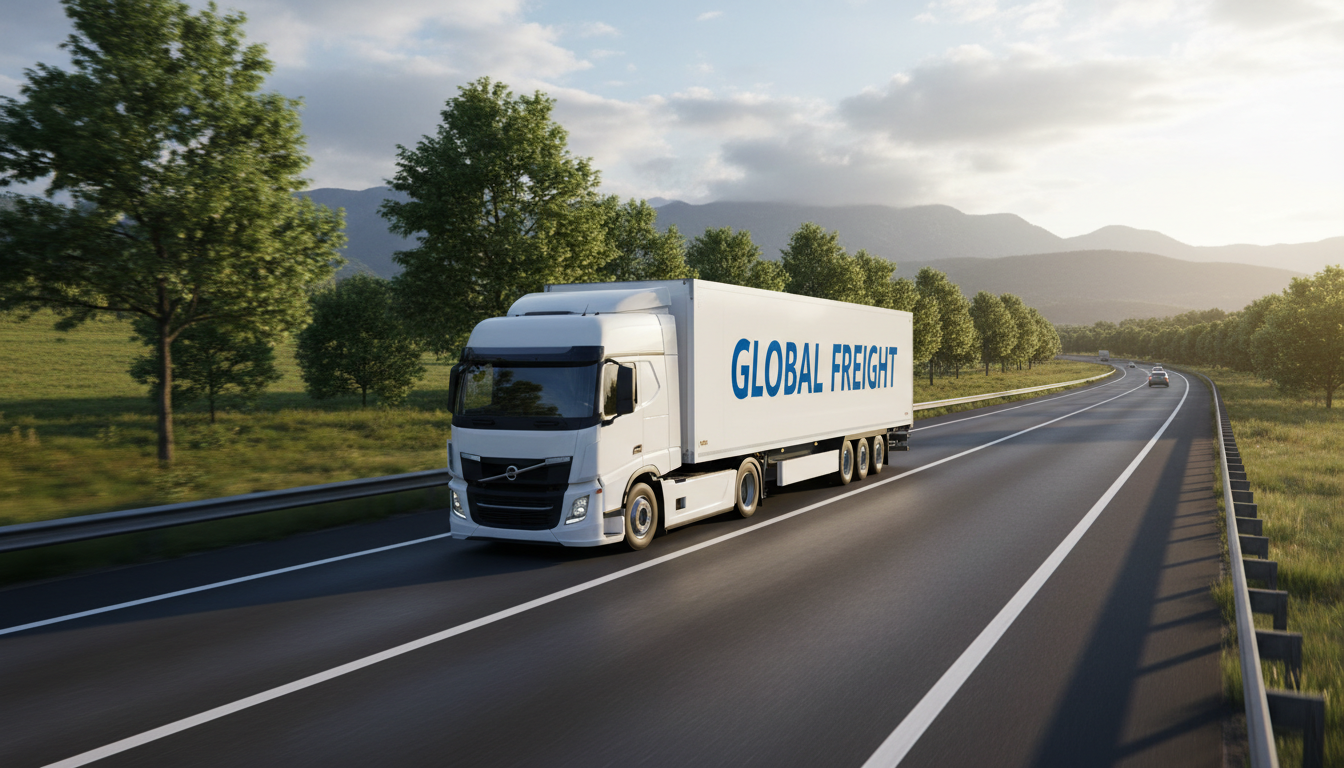
Full Truckload (FTL) shipping represents the top tier of ground transportation, providing a business with dedicated use of an entire trailer. While parcel and LTL focus on consolidation and shared space, FTL assigns a single truck to one client from pickup to delivery. This is often the most strategic of the shipping options for small business Utah owners when their volume reaches 10 or more pallets, or when the cargo is exceptionally heavy or fragile.
One of the primary advantages of FTL is the security of no-touch freight. Once the driver arrives at the origin, the trailer is loaded and sealed. That seal remains intact until the truck reaches its final destination. This significantly reduces the risk of damage or loss associated with the multiple transfers required in LTL shipping. For local industries requiring reliable freight coordination, such as manufacturers handling high-value components, this level of security is often the deciding factor.
Speed is another critical differentiator. For construction firms in Nephi moving specialized equipment or large agricultural operations in Levan transporting bulk supplies, FTL provides the fastest transit times possible. Because the driver does not need to stop at regional distribution hubs to offload other shipments, the route is direct. This efficiency ensures that time-sensitive projects remain on schedule, bypassing the common delays found in shared logistics networks. When local operations require these specialized logistics solutions in Juab County, selecting a dedicated trailer often yields the best balance of speed and safety. Businesses ready to evaluate their current freight volume can contact our team for a quote to see if FTL is the right move for their next shipment.
LTL vs FTL vs Parcel: A Quick Comparison Table
Deciding between these modes requires a technical evaluation of weight, handling requirements, and budget constraints. The following table provides a breakdown of how these shipping options for small business Utah operations function in practice.
Metric | Parcel | LTL (Less Than Truckload) | FTL (Full Truckload) |
|---|---|---|---|
Weight Threshold | Under 150 lbs | 150 to 15,000 lbs | Over 15,000 lbs / 10+ Pallets |
Handling Level | High (Automated Sorting) | Moderate (Hub Transfers) | Minimal (No-Touch) |
Cost Structure | Price per package | Freight class and weight | Dedicated flat rate/Mileage |
Transit Speed | Rapid/Fixed | Variable (due to stops) | Direct/Fastest |
Small businesses occasionally find themselves in a gray area known as Partial Truckload (PTL). PTL is the specific middle ground between LTL and FTL, typically covering shipments of 6 to 12 pallets. While LTL involves moving goods through various hubs, PTL shipments usually remain on a single trailer from pickup to delivery without the constant reloading. This reduces the risk of damage and provides more reliable freight coordination for medium sized loads. Implementing these logistics solutions in Juab County helps local firms avoid the high costs of FTL while maintaining better transit times than standard LTL. For a detailed analysis of which tier your current inventory falls into, contact our team for a quote.
What is the Cheapest Shipping Option for a Small Business in Utah?

Identifying the cheapest shipping option for a small business in Utah requires looking beyond the base rate to consider shipment density and distance. For local deliveries within the state, LTL is frequently the most cost effective choice for shipments consisting of one to five pallets. This shared model allows you to leverage lower rates by only paying for the trailer floor space your goods occupy, rather than the price of a dedicated truck.
However, small businesses often encounter hidden costs through dimensional weight (DIM weight) when relying solely on parcel services. If you ship light but bulky items, carriers bill you based on the package's exterior dimensions rather than its actual scale weight. This can lead to unexpected surcharges that quickly erode profit margins. To combat this, many operators in Juab County utilize a consolidation strategy. By gathering multiple small orders and sending them as a single LTL shipment once per week, businesses bypass individual parcel fees and secure more reliable freight coordination.
Effective logistics solutions in Juab County prioritize this type of density planning. Focusing on consolidated loads ensures you are not paying to ship air, while regional routing minimizes the fuel surcharges associated with national long haul carriers. If you are unsure if your current volume justifies a shift from parcel to freight, you can contact our team for a quote to compare real time rates for your specific Utah routes.
Utah-Specific Logistics Factors: I-15, Seasonal Weather, and Rural Access
Selecting from various shipping options for small business Utah owners requires accounting for the state’s specific physical landscape. The I-15 corridor serves as the backbone of regional trade, but the high-altitude terrain introduces variables that national carriers often overlook. For instance, winter weather in the mountain passes can stall LTL hub transfers for days. While a national carrier might leave a pallet sitting in a Salt Lake City warehouse during a snowstorm, local logistics solutions in Juab County utilize real-time weather monitoring to adjust routes before the passes become impassable.
Rural access remains a significant hurdle for businesses operating outside the Wasatch Front. National providers often categorize areas like Levan or Mills as remote zones, leading to "beyond charges" or extended delivery windows. Juab County offers a strategic advantage for north-south freight movement, serving as a natural gateway between northern industrial centers and southern markets. Providing reliable freight coordination in these areas involves using smaller, more agile equipment capable of reaching agricultural operations or construction sites where a standard 53 foot trailer might struggle to navigate. If your business needs to move goods through the Utah corridor without the unpredictability of national hub networks, you can contact our team for a quote to secure a localized logistics strategy.
Selecting the right shipping method is a vital part of managing your business expenses and ensuring customer satisfaction. Whether you choose parcel, LTL, or FTL, the best choice depends on your specific volume and timeline. If you want expert help navigating these options, our team is available to provide tailored logistics solutions. You can learn more about Juab Logistics to see how we assist local businesses; we are dedicated to making your shipping process as efficient as possible.