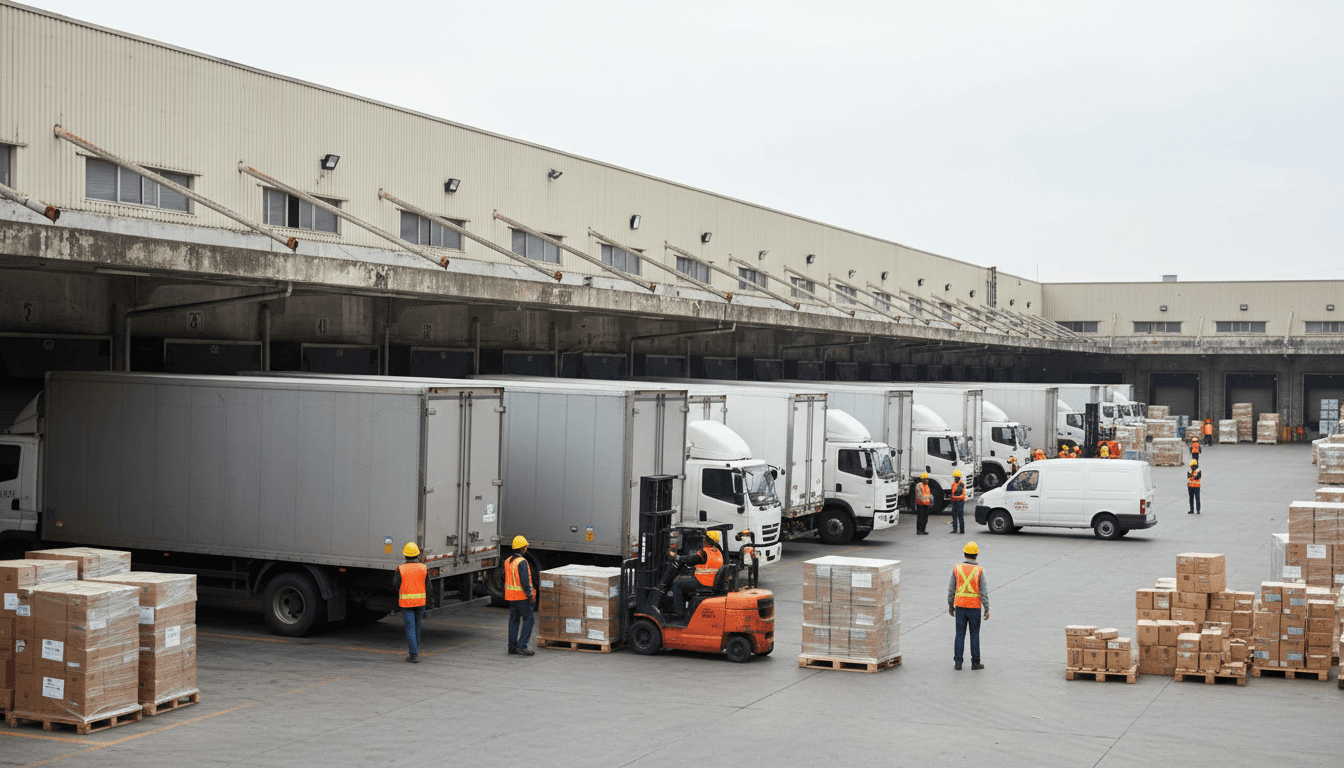
Adopting green logistics for small business Utah lowers operational expenses and carbon footprints through route optimization, sustainable packaging, and energy-efficient warehousing. These strategies allow local companies to meet rising consumer demand for sustainability while improving delivery visibility and long-term supply chain resilience.
As a small business owner in Utah, you likely face the dual pressure of rising operational costs and increasing consumer demand for environmental responsibility. Navigating the congestion of the Wasatch Front or the volatility of fuel prices can feel like a constant battle against your profit margins. However, green logistics is not a luxury reserved for global corporations; it is a practical financial strategy for local SMEs. By focusing on operational efficiency, you can simultaneously reduce your carbon footprint and your overhead. This guide explores how Utah businesses can leverage route optimization, shared warehousing in Juab County, and sustainable packaging to thrive in 2026. You will learn actionable ways to integrate technology and smart partnerships into your supply chain; this ensures your business remains both competitive and conscious in our unique high desert economy.
Defining Green Logistics for the Utah Small Business Landscape
Green logistics for small business Utah is more than a commitment to environmental stewardship; it is a rigorous approach to supply chain optimization. For a small manufacturer in Nephi or a retailer in Provo, this means auditing every touchpoint to eliminate waste, reduce fuel consumption, and shrink carbon footprints through smarter modern logistics solutions. While global initiatives often focus on international shipping lanes, Utah SMEs face unique regional challenges. Efficiently navigating the I-15 corridor or managing time sensitive deliveries across rural Juab County requires a granular focus on local topography and traffic patterns.
This framework prioritizes operational efficiency over mere optics. It involves practical steps like right sizing packaging to avoid dimensional weight surcharges and coordinating flexible logistics support to ensure trucks are not moving air. In Utah, where the outdoors is central to the local identity, consumers increasingly scrutinize the environmental impact of their purchases. A business that minimizes its physical footprint by reducing empty miles and streamlining its distribution network gains a competitive edge. By defining green logistics through the lens of local resource management, Utah businesses can align their bottom line with the growing regional demand for sustainable, responsible commerce.
Why Sustainability is a Smart Financial Strategy for Utah SMEs in 2026
Adopting a sustainable approach is often mischaracterized as a luxury expense, yet for Utah businesses looking toward 2026, it is a defensive financial necessity. Industry forecasts indicate that shrinking trucking capacity will likely drive significant freight rate hikes across the Intermountain West. In this tightening market, green logistics for small business Utah serves as a critical hedge. When a carrier optimizes for fuel efficiency, they are not just reducing carbon; they are directly mitigating the impact of rising fuel surcharges and base rate increases.
The relationship between emissions and expenditures is linear. Every gallon of diesel saved through smarter load planning translates to lower overhead for the shipper. For SMEs operating in Juab County and along the Wasatch Front, these savings are compounded by the reputational benefits of addressing local environmental concerns. The region frequently grapples with air quality challenges and winter inversions; consequently, businesses that demonstrably reduce their tailpipe emissions earn significant trust within their local communities.
Transitioning to modern logistics solutions allows smaller firms to bypass the volatility of the spot market. By prioritizing flexible logistics support that emphasizes consolidated loads and reduced idling times, businesses can stabilize their shipping budgets despite the projected capacity crunch. This strategy transforms environmental stewardship into a measurable competitive advantage, ensuring that Utah small businesses remain profitable even as transportation costs fluctuate globally.
Route Optimization: Reducing Miles along the Wasatch Front

Leveraging predictive insights is the most direct way to execute green logistics for small business Utah. Modern software analyzes traffic patterns, delivery windows, and load requirements to identify the most fuel efficient paths before a driver even turns the key. Along the Wasatch Front, where congestion can fluctuate wildly between Salt Lake City and Juab County, this precision is vital.
Instead of dispatching multiple half-empty vehicles for separate trips between Salt Lake City and Nephi, route optimization enables the intelligent grouping of deliveries. A single, well sequenced route replaces three disjointed ones, drastically cutting total mileage. This reduction in distance traveled does more than lower carbon emissions; it provides immediate relief to the small business bottom line by minimizing fuel surcharges and slowing the depreciation of delivery vehicles.
Implementing modern logistics solutions allows companies to navigate the I-15 corridor with surgical accuracy. By avoiding idling time and redundant travel, firms can ensure their flexible logistics support remains cost effective even as regional traffic increases. To see how these efficiencies can be applied to your specific supply chain, contact our local experts for a detailed route audit.
Consolidation and Shared Warehousing in Juab County

Consolidation is the natural progression from optimized routing, turning individual logistical challenges into collective regional strengths. For many small firms, shipping full truckloads is not always feasible or cost effective. By utilizing less than truckload (LTL) strategies, businesses can engage in local freight coordination. This process allows multiple Utah enterprises to share cargo space in a single vehicle, ensuring that every cubic foot of a trailer is utilized before it hits the road. This method reduces the total number of heavy vehicles on the road, lowering the overall carbon footprint while significantly decreasing the shipping rates for each participant.
Beyond transportation, shared warehousing serves as a pillar for green logistics for small business Utah. Conventional large scale facilities often lead to significant energy waste, as businesses pay to heat, cool, and light vast areas of underutilized space. Choosing flexible logistics support in Juab County allows companies to scale their footprint based on real time inventory needs. This model prevents the waste associated with rigid, oversized leases and ensures that utility consumption is strictly aligned with actual storage requirements. By integrating these modern logistics solutions, local manufacturers and retailers can maintain leaner, more environmentally responsible operations. To learn how consolidation can streamline your distribution, contact our local experts for a specific load and storage audit.
Eco-Friendly Packaging and Damage Reduction
Effective green logistics for small business Utah begins at the unit level, specifically by addressing the often overlooked waste of shipping damage. Every time a product arrives broken, the environmental and financial costs are essentially doubled. A single failed delivery requires a return journey and a secondary replacement shipment, effectively multiplying the carbon footprint and the fuel expenditure of that one transaction. By prioritizing high quality protection and smarter loading techniques, businesses eliminate the operational redundancy that drains profitability.
Actionable packaging improvements also provide a hedge against dimensional weight (DIM) surcharges. Most carriers now bill based on the volume a package occupies rather than its actual weight. By right-sizing boxes to eliminate excess air, Utah SMEs can significantly reduce their shipping expenses while fitting more inventory into a single transport vehicle. This physical optimization is a cornerstone of modern logistics solutions, ensuring that no space is wasted in transit.
Beyond sizing, selecting biodegradable or post-consumer recycled materials resonates with a local customer base that values the state’s natural landscapes. Using materials like corrugated cardboard inserts instead of plastic foams aligns a brand with the Utah outdoor lifestyle while simplifying the recycling process for the end user. For firms seeking to audit their current packing methods for better efficiency, contact our local experts to integrate flexible logistics support into your distribution strategy.
Logistics Trends for 2026: Technology-Driven Sustainability
Looking toward 2026, the integration of advanced data analytics is transforming green logistics for small business Utah from a manual effort into an automated standard. The most significant trend involves the elimination of empty miles, which occurs when a vehicle returns from a delivery without cargo. By using predictive insights, small businesses can now anticipate demand shifts and coordinate backhauls; this ensures that trucks remain productive for every mile traveled. This level of efficiency was once reserved for global conglomerates, but accessible technology now allows local firms to maximize their existing fleets or carrier partnerships.
Real time tracking provides the visibility necessary to manage expectations without relying on emergency, high emission expedited shipping. When a manufacturer in Juab County can see exactly where a shipment is located, they can provide customers with accurate, consolidated delivery windows. This precision removes the guesswork that often leads to frantic, last minute logistics decisions that increase both costs and carbon footprints.
Trend for 2026 | Benefit for Utah SMEs |
|---|---|
Predictive Backhauling | Reduces empty miles and fuel waste |
IoT Tracking | Eliminates need for high-emission rush orders |
Automated Consolidation | Maximizes vehicle capacity through data sharing |
Adopting modern logistics solutions that leverage these trends enables businesses to scale without a proportional increase in environmental impact. As visibility improves, the need for redundant safety stock and just in case transport diminishes. Companies that embrace these flexible logistics support models can navigate the tightening 2026 freight market with greater agility. For a personalized assessment of how these trends will affect your specific operation, contact our local experts today.
How to Choose a Green Logistics Partner in Utah

Selecting a logistics provider requires looking beyond basic price sheets to evaluate how a carrier integrates sustainability into their daily operations. For those prioritizing green logistics for small business Utah, a regional partner often represents the most affordable shipping method. By focusing on high density corridors and local consolidation, regional carriers bypass the operational bloat and inefficient long haul routing common with national networks. This proximity allows for lower base rates and more predictable fuel surcharges.
When vetting a potential partner, use the following checklist to ensure their operational goals align with your sustainability requirements:
Route Intelligence: Do they demonstrate specific knowledge of Utah topography, such as avoiding peak congestion on the I-15 or optimizing for rural elevation changes in Juab County?
Consolidation Capabilities: Can they group your cargo with other local SMEs to maximize trailer utility and reduce the number of vehicles on the road?
Technology Integration: Do they utilize modern logistics solutions to provide real time visibility and prevent the waste of empty miles?
Waste Mitigation: Do they have a formal process for reducing shipping damage to avoid the carbon cost of return shipments?
Local expertise is the most significant driver of natural efficiency. A provider familiar with the Juab County landscape understands how to navigate regional traffic patterns better than a remote dispatcher. This grounded perspective allows for flexible logistics support that adapts to seasonal shifts in Utah weather and local demand. To align your supply chain with these regional advantages, contact our local experts for a consultation on sustainable growth.
Green logistics is more than an environmental choice; it is a smart business strategy that lowers overhead through smarter route planning and waste reduction. For small businesses in Utah, these efficiency shifts lead to significant long-term savings. If you want expert help transitioning to more sustainable delivery models, Juab Logistics is ready to assist. You can visit our About page to see how our team supports local growth. Navigating supply chain improvements is often easier with a dedicated partner by your side.