
Successful peak season logistics planning Utah involves analyzing historical data to forecast demand spikes and preparing inventory levels well before the holiday or harvest rush begins. Businesses should utilize predictive technology, communicate early with carriers, and streamline their omnichannel fulfillment processes to maintain delivery speed during high-volume periods. Continuous monitoring and clear customer communication are vital strategies for managing logistics saturation and ensuring on-time performance.
As Utah businesses approach the final months of the year, the pressure of seasonal logistics often becomes a bottleneck that threatens annual profitability. Managing the intersection of a heavy agricultural harvest and the surge of holiday e-commerce demand requires more than just reactive scheduling. In a state where geographic distances and mountain passes complicate every mile, failing to secure capacity early can lead to stalled inventory and frustrated customers. Navigating these complexities is essential for maintaining supply chain integrity during the busiest quarters. This guide explores the specific challenges of the Utah landscape, from produce transportation to strategic warehousing. You will learn how to forecast volume accurately, secure freight during market saturation, and implement communication strategies that ensure on-time delivery. By mastering these regional logistics, your business can turn seasonal volatility into a predictable advantage.
Understanding the Unique Utah Peak Season Landscape
For most of the country, peak season is synonymous with the Q4 retail rush. However, peak season logistics planning Utah requires a more nuanced approach. Local businesses must navigate a unique double peak that begins in late summer. This cycle starts with the intensive agricultural harvest, where moving produce, grains, and hay takes precedence, and transitions directly into the traditional e-commerce holiday surge.
Juab County sits at a vital geographic crossroads. The I-15 corridor serves as the primary artery for these overlapping demands. During this window, road capacity and driver availability tighten significantly as trucks move local crops to processing centers while simultaneously stocking retail shelves for the holidays. Relying on local logistics expertise is the most effective way to ensure your supply chain remains resilient during this crunch.
Success depends on recognizing that planning must begin long before Black Friday. Many firms wait until November to secure freight coordination, but in Utah, the competition for wheels starts as soon as the first crops are ready for transport. By the time the first snow hits the mountain passes, those who have not secured warehousing support or pre-scheduled their lanes may find themselves facing saturated markets and rising costs.
The Agricultural Harvest: Navigating Utah Produce Logistics
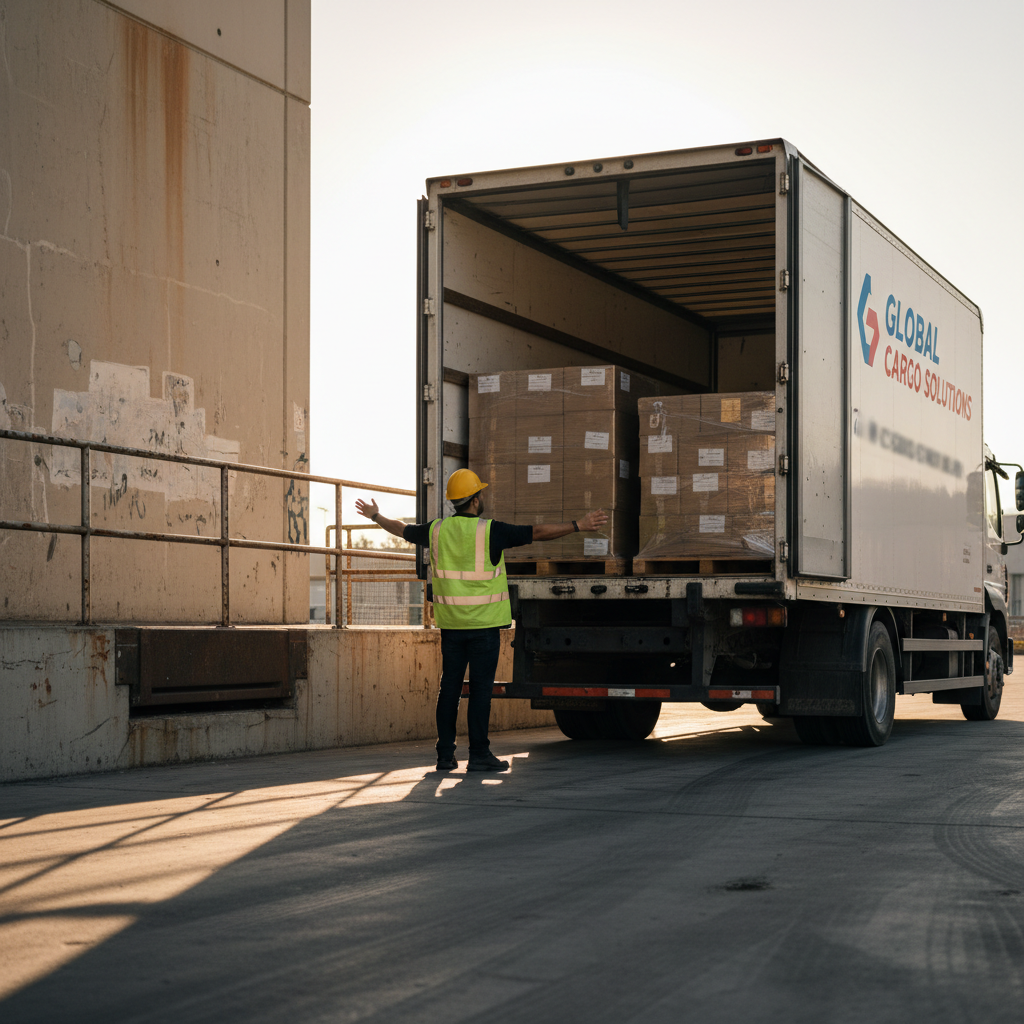
The agricultural harvest in Utah is a time-critical operation driven by strict windows of ripeness and weather stability. In rural areas like Juab County, the demand for short-haul transport spikes as farmers move grain, hay, and alfalfa from fields to local processing centers or storage silos. Because these products are often time-sensitive or prone to weather-related spoilage, logistics schedules must be precise. There is no room for delay when a harvest is ready for transit.
This agricultural surge creates a unique pressure known as the harvest crunch. Unlike national trends that focus on consumer electronics, the regional crunch pulls local truck capacity away from other vital industries. Construction firms waiting on lumber or manufacturers shipping heavy equipment find themselves in direct competition for the same pool of drivers and trailers. When the demand for moving hay increases, regional freight availability for every other sector decreases almost overnight.
Navigating this requires proactive freight coordination that accounts for local cycles. Businesses must understand that the harvest takes priority on local routes, often leading to temporary regional saturation. By securing warehousing support before the peak hits, non-agricultural firms can stage their materials and avoid the peak-season scramble. Leveraging local logistics expertise allows for better timing of shipments, ensuring that construction schedules or manufacturing quotas are not derailed by the sudden shift in regional vehicle availability. Planning for this period is about recognizing that in Utah, the supply chain is deeply intertwined with the land.
Forecasting Volume for Retail and E-commerce Success

Transitioning from the harvest to the holiday rush requires a shift from managing perishables to managing volume. Effective peak season logistics planning Utah depends on your ability to translate historical data into actionable forecasts. Small businesses should begin by auditing shipping logs from 2024 and 2025, pinpointing the exact weeks where outbound shipments spiked and identifying which product categories drove that growth.
Distinguishing between your base volume and your peak surge is essential for accurate freight coordination. Base volume represents your standard, predictable weekly output during the quieter months of spring and early summer. The peak surge is the additional capacity required to handle events like Small Business Saturday, which holds significant weight for Utah’s local economy. During this window, retailers often see a shift in consumer behavior where last-mile delivery expectations become more stringent. Customers purchasing from local Utah businesses expect a higher level of service and responsiveness than they do from national conglomerates, requiring a logistics plan that can handle a 200% or 300% increase in daily deliveries without failing.
Providing your logistics partner with these two distinct figures allows for better resource allocation. When we know the delta between your normal operations and your maximum surge, we can secure the necessary equipment and personnel to maintain flow. Furthermore, staging inventory through warehousing support based on these projections prevents the typical end-of-year bottlenecks. This level of detail ensures that your local logistics expertise is backed by hard data, allowing for smoother transitions when the retail surge hits its highest intensity in late November and December.
Strategic Warehousing and Inventory Positioning
Once volume projections are finalized, the focus shifts to physical positioning. Utilizing flexible warehousing support allows small businesses to buffer against the volatility of the Utah winter. Moving high-demand inventory closer to major population centers like Salt Lake City or Provo before the first major snowfalls is a tactical necessity. High-elevation passes and canyon routes, such as those through Spanish Fork or Parley’s Canyon, can become unpredictable bottlenecks once the season turns. Proactive staging ensures that products are already on the correct side of the mountain when the weather breaks.
Strategic positioning also addresses a common industry question regarding how to reduce rising shipping costs during the peak. By staging inventory regionally, you significantly shorten the distance of the final delivery leg. This reduces fuel surcharges and transit times, two variables that often spiral during the Q4 rush. Incorporating local logistics expertise into your peak season logistics planning Utah ensures that goods are staged in facilities that permit rapid dispatch without the risk of long-haul delays. This geographic foresight, combined with precise freight coordination, transforms warehousing from a storage expense into a strategic advantage, ensuring that late-season orders reach their destination even when winter weather restricts interstate movement.
Securing Freight Capacity During Logistic Saturation
Logistic saturation occurs when the regional demand for transportation exceeds the total available pool of drivers and equipment. In Utah, this saturation presents as a sudden scarcity of flatbeds during the hay harvest, followed immediately by a lack of box trucks as holiday e-commerce ramps up. During these periods, price hikes are common, but the greater risk is a complete lack of availability. When every major retailer is vying for the same I-15 capacity, smaller operations often find themselves sidelined by national carriers focusing on their largest corporate accounts.
To maintain a stable supply chain, small businesses must finalize their freight coordination needs and secure primary lanes at least six to eight weeks before their anticipated peak surge. This proactive booking window is critical for peak season logistics planning Utah. Waiting until October to book November loads frequently results in being forced into the spot market, where rates can climb 30% to 50% above standard contract pricing.
There is a distinct advantage to utilizing local logistics expertise over a national broker. Large, out-of-state brokers often deprioritize rural Utah routes or pickups in Juab County when higher-margin, long-haul opportunities arise in major shipping hubs like Los Angeles or Chicago. A local partner understands that a delay in Nephi is just as critical as one in Salt Lake City. They possess the regional relationships and equipment knowledge to keep your goods moving when national capacity dries up. Pairing this early commitment with warehousing support creates a logistical buffer that protects your margins from seasonal volatility.
Communication Strategies for On-Time Deliveries

Securing capacity is only half the battle; maintaining trust throughout the delivery window requires clear, data-driven communication. Utah winter weather frequently disrupts transit times along the I-15 and I-84 corridors, making it imperative to build weather buffers into your public-facing delivery estimates. Instead of advertising standard shipping windows, establish conservative order by dates that account for potential closures in mountain passes or heavy lake-effect snow.
Employing real-time tracking technology provides your customers with transparency, but technology alone cannot resolve a stalled shipment. Effective peak season logistics planning Utah relies on a human-centric approach where you maintain a constant feedback loop with your provider. When a storm hits, proactive freight coordination ensures you are alerted to delays before your customer notices a late package. Relying on local logistics expertise means you have a partner who understands exactly how a closure in Spanish Fork Canyon affects your last-mile delivery in Juab County. This level of coordination, paired with strategic warehousing support to stage goods ahead of the storm front, is the most reliable way to preserve your brand reputation when the forecast turns.
Peak Season Planning Checklist for Utah Small Businesses
Successful peak season logistics planning Utah requires transforming strategy into a clear operational timeline. Use this checklist to maintain stability as regional demand fluctuates between the harvest and the holiday surge:
Finalize volume forecasts by September to account for both agricultural spikes and retail surges.
Audit packaging supplies by August to avoid stockouts of critical materials like pallets, tape, or corrugated boxes.
Confirm third-party warehousing support to manage inventory overflow before winter weather impacts mountain pass travel.
Pre-schedule heavy freight lanes 6 to 8 weeks out to secure reliable freight coordination before regional saturation occurs.
Set up automated tracking alerts for last-mile deliveries to proactively manage customer expectations during weather-related delays.
Applying local logistics expertise to these tasks ensures your supply chain remains resilient even when national capacity tightens.
Successfully navigating Utah's unique harvest and holiday peaks requires a blend of proactive planning and operational flexibility. By anticipating demand shifts early, your business can maintain steady growth even during the busiest months. If you find that managing these complex logistics cycles takes too much focus away from your core operations, seeking expert assistance can provide much-needed clarity. You can learn more about our team and how we approach local supply chain challenges to see if a professional partnership is the right move for your seasonal strategy.