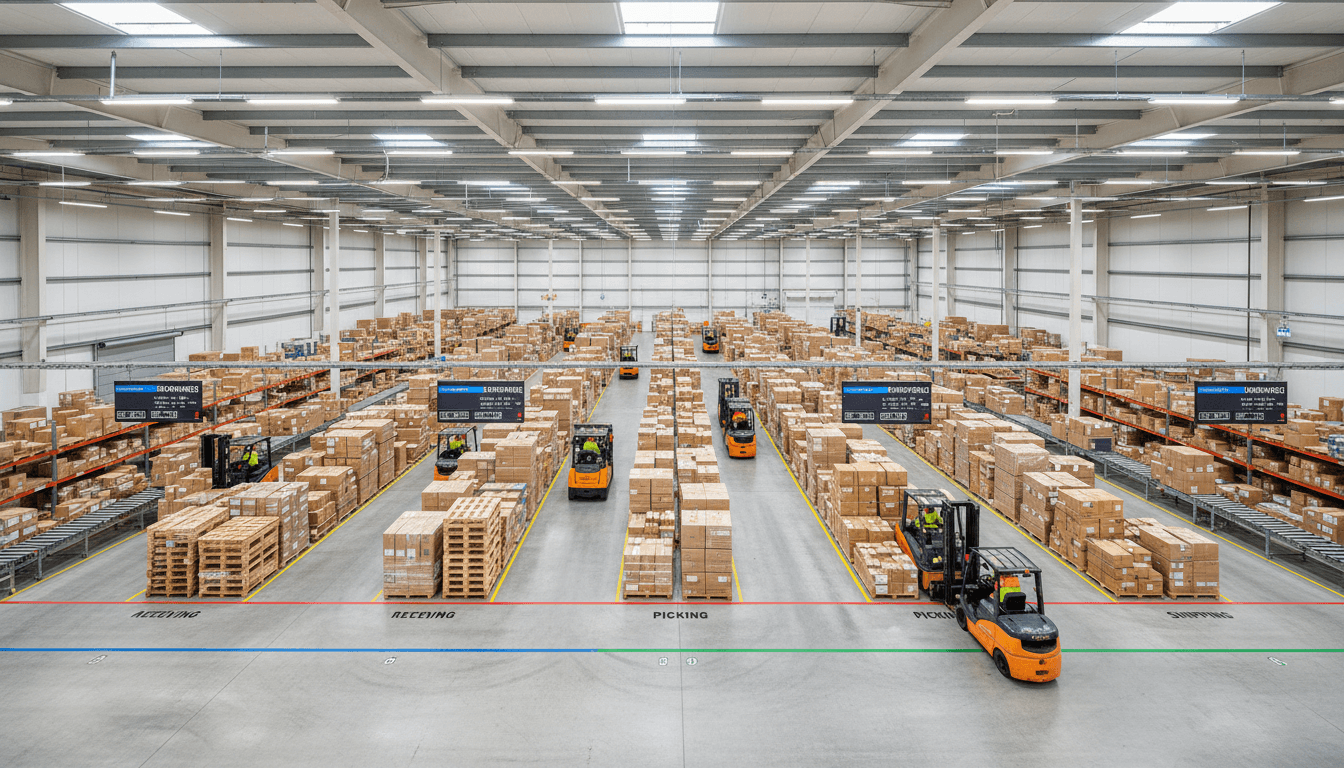
Cold chain logistics for small business Utah involves the specialized management of temperature-sensitive goods through refrigerated storage, transportation, and monitoring systems. Local companies can maintain product integrity by partnering with regional 3PL providers that offer climate-controlled warehousing and refrigerated shipping solutions. This integrated approach ensures that perishable items remain safe and compliant with health regulations throughout the entire supply chain.
For small business owners in Utah, managing a temperature controlled supply chain often feels like a race against both the clock and the elements. Whether you are transporting artisan cheeses across the Wasatch Front or shipping medical supplies through the high desert heat, a single equipment failure or a minor delay can result in thousands of dollars in spoiled inventory. This volatility makes cold chain logistics a critical hurdle for growing enterprises that cannot afford the high overhead of national carriers but require professional reliability. This guide explores the specific challenges of navigating the Utah climate while maintaining strict FSMA compliance. You will learn the best practices for refrigerated freight, the role of modern monitoring technology, and how to choose between local trucking solutions and national providers to keep your products safe from warehouse to doorstep.
Understanding Cold Chain Logistics for Utah Small Businesses
Cold chain logistics is a science-based supply chain management system designed to keep temperature-sensitive products within a specific thermal range from the point of production to the end-user. For local enterprises, cold chain logistics for small business Utah involves ensuring that locally raised meats from Juab County, specialty honey, or pharmaceutical supplies for regional clinics remain stable throughout their entire journey.
To answer the fundamental question, what is cold chain logistics? It is the seamless integration of refrigerated storage, specialized transport, and last-mile delivery. It ensures there is no break in the thermal environment, which is critical for maintaining product safety, potency, and quality. This process is not exclusively for giant food distributors. It is a vital tool for Utah's artisanal producers, farm-to-table operations, and boutique retailers who must move perishable goods across diverse elevations and fluctuating climates.
A successful cold chain transition requires three primary pillars:
Pre-cooling and Cold Storage: Stabilizing products at the required temperature immediately after production or harvesting.
Refrigerated Transport: Utilizing vehicles equipped with modern logistics solutions to prevent temperature fluctuations during transit.
Managed Final Delivery: Executing the hand-off to the retailer or consumer without exposing the goods to ambient heat or freezing air.
Small businesses shipping delicate agricultural goods or sensitive medical components rely on flexible logistics support to ensure their supply chain remains unbroken. If you are ready to secure your distribution route, you can contact our team to discuss the specific temperature requirements for your inventory.
Navigating Temperature Controlled Freight in the Utah Climate
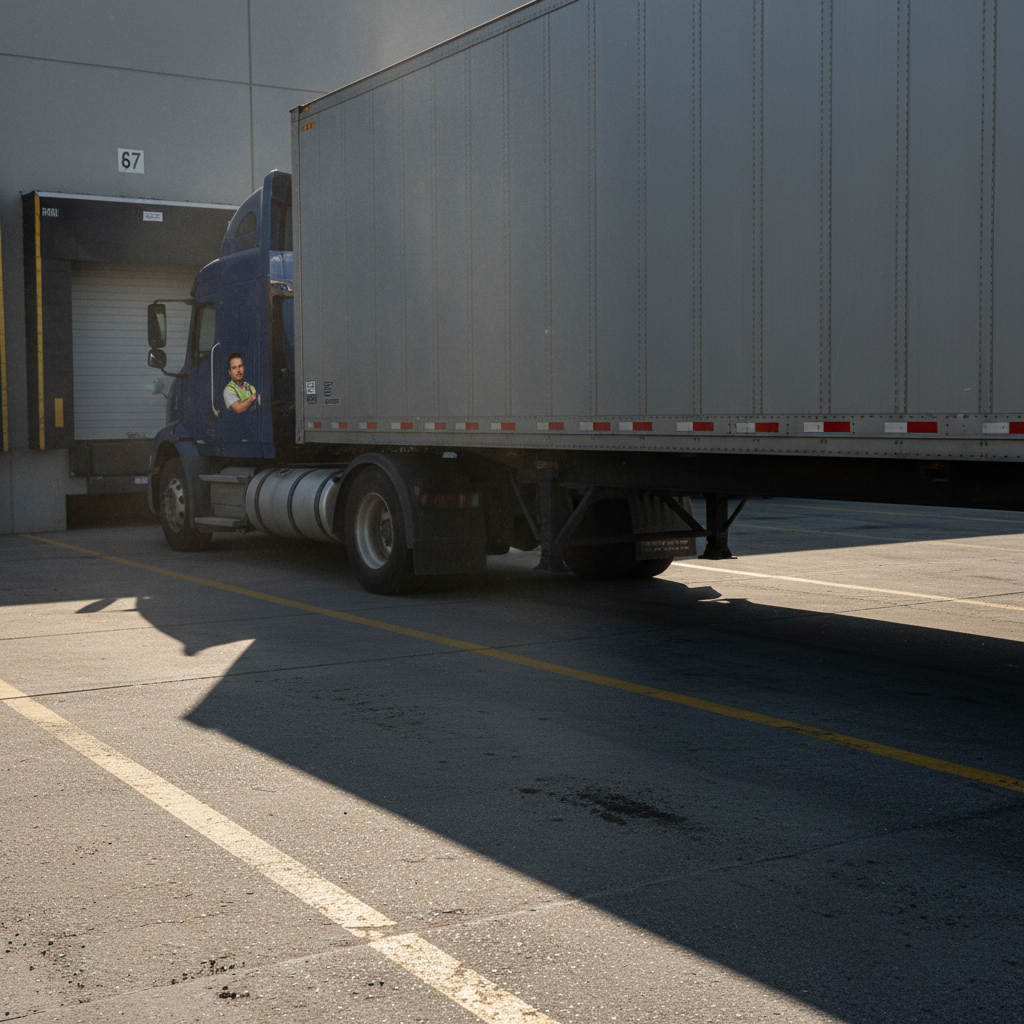
Operating within Utah requires an acute understanding of the high-desert climate. A truck departing from Juab County on a July afternoon often faces ambient temperatures exceeding 100 degrees Fahrenheit, which places an immense thermal load on a vehicle's refrigeration unit. Conversely, winter transport across the Wasatch Front requires specialized equipment to prevent flash-freezing in products that must remain in the refrigerated range. These extreme seasonal swings demand precise equipment calibration to maintain the integrity of cold chain logistics for small business Utah operations.
Effective temperature management is categorized by the specific needs of the cargo. Small businesses must identify which thermal bracket their products fall into to ensure modern logistics solutions are applied correctly:
Category | Temperature Range | Typical Products |
|---|---|---|
Deep Frozen | -20°F to 0°F | Ice cream, specialized laboratory samples |
Frozen | 0°F to 10°F | Locally raised meats, frozen processed foods |
Refrigerated | 33°F to 40°F | Dairy, fresh produce, specific pharmaceuticals |
Climate-Controlled | 55°F to 70°F | Specialty honey, confections, floral arrangements |
Geography further complicates these requirements. Climbing the mountain passes between the Juab Valley and the Wasatch Front stresses engines and cooling systems differently than flat, sea-level routes. High altitudes can affect airflow and cooling efficiency, making local expertise indispensable. A national carrier unfamiliar with regional bottlenecks, such as the specific traffic patterns at the Point of the Mountain or the impact of canyon winds, may struggle to maintain the tight delivery windows essential for perishables.
Reliability in these conditions depends on flexible logistics support that accounts for elevation changes and rapid weather shifts. Business owners can contact our team to discuss how specific Utah routes and seasonal peaks might influence their shipping schedules and temperature stability needs.
FSMA Compliance and Food Traceability Rules for Small Shippers

Maintaining thermal integrity across the Wasatch Front is not just a quality control measure; it is a federal requirement. The Food Safety Modernization Act (FSMA) places significant responsibility on shippers to ensure food safety through every stage of transit. Small businesses in Utah must specifically prepare for the FSMA 204 traceability rule, which carries a final compliance deadline in early 2028. This rule mandates that entities maintain detailed records for specific high-risk foods. For a Juab County producer or a boutique retailer, this means being able to produce lot-level records and traceability data within 24 hours of a request from regulatory authorities.
Adhering to cold chain logistics for small business Utah standards requires strict sanitary transportation practices. The most common pitfall for smaller operations is failing to pre-cool the transport vehicle before loading. Loading pallets into a trailer that has been sitting in the Utah sun can cause the product core temperature to spike immediately, even if the refrigeration unit is active. To remain compliant, refrigerated goods must stay consistently between 33 and 40 degrees Fahrenheit. If a driver cannot provide documentation of temperature logs for the duration of the trip, the receiver may be legally obligated to reject the shipment.
Practical compliance for small shippers involves three core operational areas:
Pre-cooling Verification: Verify and document that the trailer reached the target set-point temperature before any inventory was loaded.
Continuous Monitoring: Maintain a digital or physical log that proves the 33 to 40 degree Fahrenheit range was never breached during transit.
Contamination Prevention: Ensure that raw agricultural products are physically separated from ready-to-eat items to prevent cross-contamination during LTL shipments.
Small shippers often find these record-keeping requirements daunting when managing their own fleets. Utilizing modern logistics solutions helps automate the tracking of these variables through integrated sensors. By integrating flexible logistics support into your daily operations, you can ensure that your documentation meets federal standards without diverting focus from your core production. For specific questions regarding the 2028 traceability deadline and how it affects your specific product line, you can contact our team to review your current shipping protocols.
How to Ship Refrigerated Food: Small Business Rules and Best Practices
Understanding the regulatory landscape is the first step; the second is executing the physical shipment. Shipping refrigerated food requires a disciplined approach to thermal inertia. If you are wondering how to ship temperature controlled items efficiently, the most cost effective method for growing operations is utilizing LTL (Less-Than-Truckload) freight. This allows you to share space in a temperature controlled trailer, ensuring your products stay within the required 33 to 40 degree Fahrenheit range without the expense of renting an entire truck.
For small business owners, packaging is the first line of defense. The choice between coolant types depends entirely on your target temperature profile:
Coolant Type | Best Use Case | Temperature Profile |
|---|---|---|
Gel Packs | Refrigerated goods (Produce, Dairy) | 32°F to 45°F; standard for ground transport |
Dry Ice | Deep frozen goods (Meats, Ice cream) | -109.3°F; requires specialized handling |
Phase Change Materials | High-value boutique items | Precise, stable temperature holds |
Proper preparation starts before the truck arrives. Pre-chilling inventory to its target temperature is non-negotiable; refrigeration units on trailers are designed to maintain temperature, not to pull heat out of warm products. Once the inventory is staged, the last-mile delivery becomes the most critical link. This final transition from the regional hub to the customer in Juab County or the Wasatch Front is where ambient air exposure is most likely to occur. Utilizing flexible logistics support ensures that drivers prioritize quick unloading to minimize door-open time.
To optimize your shipping costs while maintaining cold chain logistics for small business Utah standards, implementing modern logistics solutions like consolidated LTL routes is often the best path forward. If you are unsure which packaging configuration suits your specific transit time, you can contact our team for a detailed assessment of your route and volume needs.
Modern Technology in Local Cold Chain Management

Transitioning from physical packaging to digital oversight is where modern technology distinguishes professional transport from simple hauling. Older, passive systems rely on data loggers that only provide information after the trip is completed. For a small business, discovering a temperature excursion upon arrival is too late; the product is already compromised and the revenue is lost. Juab Logistics utilizes modern logistics solutions that leverage IoT sensors and GPS tracking to provide continuous, live visibility into every shipment.
Near-real-time alerts are the most significant advancement for cold chain logistics for small business Utah operators. Instead of waiting for a post-trip report, our systems monitor the internal environment of the trailer at regular intervals. If a refrigeration unit faces a mechanical hiccup or a door is left open too long during a multi-stop delivery along the Wasatch Front, sensors trigger immediate notifications. This proactive approach allows for corrective action before load loss occurs, protecting your inventory and your reputation. Integrating this level of flexible logistics support ensures that high-value agricultural or pharmaceutical goods are never left in a black box during transit. If you want to see how live data can safeguard your next shipment, you can contact our team for a walkthrough of our tracking capabilities.
Choosing Between Local Refrigerated Trucking and National Carriers
Deciding between a national carrier and a regional provider depends on the complexity of your route and the sensitivity of your inventory. Large national carriers excel at high-volume, standardized shipping across long distances, but they often struggle with the granular needs of cold chain logistics for small business Utah. Their rigid hub-and-spoke systems are designed for efficiency at scale, which can lead to inflexible delivery windows that do not align with the harvest cycles or shelf-life constraints of local agricultural producers.
A regional partner provides flexible logistics support that national 3PLs simply cannot match. For a producer in Juab County, a local carrier understands the specific loading dock requirements of retailers along the Wasatch Front and can adjust schedules to accommodate sudden weather shifts or production delays. This localized expertise eliminates the layers of corporate overhead, making modern logistics solutions more cost-effective for businesses with monthly revenues between $1,001 and $5,000.
Feature | Local Regional Partner | National Carrier (FedEx/DHL) |
|---|---|---|
Delivery Flexibility | High; customizable to local windows | Low; follows set route schedules |
Agricultural Expertise | Specialized handling for local perishables | General freight handling |
Route Knowledge | Expert knowledge of Utah terrain and canyons | Reliant on standard GPS routing |
Communication | Direct access to local dispatchers | Multi-level customer service queues |
By choosing a provider rooted in the Utah landscape, you ensure your supply chain remains resilient and responsive to regional market demands. You can contact our team to learn how a localized approach can reduce transit times and protect your margins.
Navigating the complexities of temperature controlled shipping involves more than just a refrigerated truck; it requires a deep understanding of timing, equipment, and local regulations. For small businesses in Utah, mastering these details is essential for maintaining product integrity and building customer trust. If you want expert help ensuring your goods stay at the right temperature every step of the way, our team is ready to assist. You can learn more about our commitment to reliable logistics and local service by visiting our About page today.