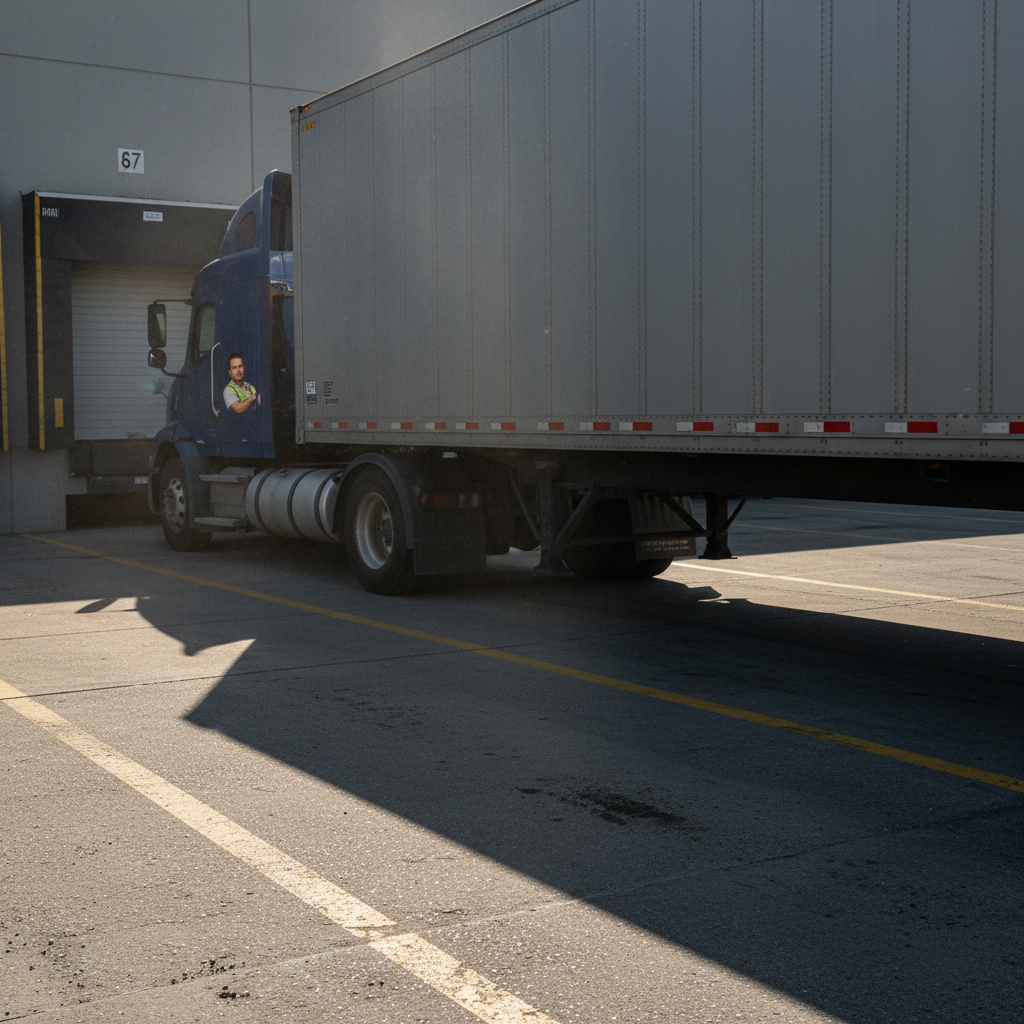
Small businesses can optimize construction logistics for small business Utah by implementing same-day last-mile delivery solutions that bring building materials directly to the job site. This approach minimizes downtime caused by supply chain disruptions, allowing contractors to reduce overhead costs while maintaining strict project timelines.
For small contractors across the Beehive State, a single late delivery does more than stall progress; it drains your profit margin through idle labor costs and equipment rentals that sit unused. Whether you are navigating the narrow mountain roads of rural Juab County or managing a tight urban infill project, logistical inefficiencies represent a significant hidden expense. Mastering the movement of materials is not just a secondary task. It is a core strategic requirement for any small business looking to scale in the current Utah market. In this guide, we will explore how local builders can overcome common delivery challenges, leverage regional warehousing, and implement a robust logistics plan. By refining these backend operations, you can transform your supply chain into a competitive advantage that ensures every project remains on schedule and under budget.
The High Cost of Supply Chain Delays for Utah Builders
For a small construction firm in Utah, a delivery window is not just a suggestion; it is a critical pivot point for the entire project timeline. Large scale developers often have the luxury of on-site storage or massive inventory buffers, but small builders operate on leaner schedules and tighter margins. When a national brand delivery service fails to show up on time, the financial fallout is immediate. A crew of five carpenters standing idle while waiting for a delayed lumber drop represents a direct drain on profitability, with labor costs continuing to mount even as the hammers stay silent.
Effective construction logistics for small business Utah requires a level of precision that generic freight services often fail to provide. A single missing pallet of hardwood flooring or a delayed shipment of roofing trusses can halt progress for days, pushing back every subsequent trade from electricians to painters. These delays do more than just waste labor hours; they erode the trust between contractors and their clients. While a massive corporation might absorb these inefficiencies, local builders need modern logistics solutions that prioritize reliability. Without a partner who understands the high stakes of a local job site, a simple scheduling error can quickly transform a profitable build into a financial loss.
Common Job Site Delivery Challenges in the Beehive State

Navigating the I-15 corridor requires more than a simple delivery window; it requires a deep understanding of how traffic surges between Salt Lake and Provo can derail a project timeline. For those managing construction logistics for small business Utah, these delays are compounded when the destination is a rural site in Juab, Sanpete, or Millard counties. Long distances between suppliers and job sites mean that a single missed turn or an oversized vehicle on a restricted backroad can waste hours of daylight and inflate fuel costs.
Project managers often ask about the most frequent physical hurdles for material drops. In Utah, the primary challenges include uneven terrain and narrow entry points within rapidly expanding residential developments. The spring thaw presents its own unique risk, as soft ground can easily trap heavy equipment, leading to costly recovery fees and damaged site landscaping. Unlike a standard retail delivery, a construction drop involves navigating around partially built structures, open trenches, and other trades working in the same footprint. Standard GPS units often fail to reflect the reality of a new subdivision, leading drivers to dead ends or impassable roads.
Most national courier apps or generic freight carriers lack the specialized equipment and driver experience to handle these conditions. They often refuse to enter sites that are not paved, leaving expensive materials on the street where they are vulnerable to theft or weather damage. A partner providing flexible logistics support expects these variables and prepares for them accordingly. Having a driver who understands how to maneuver around a tight corner in a new Nephi subdivision or across a dusty lot in Levan is what keeps a project moving. If you are tired of delivery drivers refusing to pull onto your site due to difficult access, contact our team to coordinate a more reliable and rugged approach to your material transport.
Navigating Rural and Narrow Access Sites in Juab County
In Juab County, the geography dictates the equipment. In Nephi, many residential infill projects take place on established streets where over-sized freight trucks simply cannot turn or park without blocking entire blocks. Similarly, new developments in Santaquin often feature narrow cul-de-sacs and tight entryways designed for passenger cars, not semi-trailers. Successfully managing construction logistics for small business Utah means selecting vehicles that match these physical constraints. Small contractors cannot afford the liability or the time loss associated with a driver who gets stuck in a tight residential corner.
Rural projects near Levan or along farm-to-market routes present a different set of obstacles. These sites often require navigating unpaved access roads that change consistency based on the weather. A driver unfamiliar with local soil conditions might hesitate or refuse to complete a drop-off, leaving materials at the nearest paved intersection. Specialized last-mile delivery requires smaller, more maneuverable vehicles specifically for these challenges. This fleet ensures that lumber, roofing, or masonry supplies reach the actual job site, not just the general vicinity. Local knowledge of the Juab County road network allows for flexible logistics support that automated, national platforms cannot replicate.
What is Construction Logistics and Why Does it Matter for Small Contractors?
Construction logistics is the deliberate coordination of materials, equipment, and information moving from the point of origin to the final job site. While many view it as simple shipping, for a small contractor, it is actually a core component of project management. It involves aligning the physical arrival of goods with the specific phase of the build to ensure the right resources are available at the exact moment they are needed.
Optimizing construction logistics for small business Utah means prioritizing the strategic timing of every drop. If roofing shingles arrive three weeks before the deck is finished, they become a liability. They occupy limited space on a cramped lot, risk being damaged by moving heavy machinery, or may even be subject to theft. Conversely, if those materials arrive even a day late, the entire roofing crew is sidelined, costing the business hundreds in wasted labor.
Effective logistics ensures that materials enter the site exactly when the crew is ready to install them. This approach transforms delivery from a chaotic variable into a synchronized service. By utilizing modern logistics solutions, builders can maintain cleaner, safer work environments. Instead of managing a pile of mismatched inventory, contractors can focus on the build itself, knowing that flexible logistics support is handling the complex flow of supply to meet the specific demands of the construction schedule.
The Strategic Advantage of Local Warehousing for Building Materials

The logistics chain often breaks down between the supplier and the job site due to a lack of intermediate storage. For many contractors, the default solution is either cramming a residential lot with weather-sensitive materials or filling a personal garage; both options complicate inventory management and increase the risk of loss. Utilizing a central hub in Juab County offers a superior alternative through material staging. By leveraging third-party warehousing, builders can receive bulk shipments of flooring, cabinetry, or fixtures long before they are needed on-site, ensuring that supply chain volatility does not dictate the build schedule.
This approach is a critical component of construction logistics for small business Utah. It allows for a controlled environment where items are inspected upon arrival and stored securely until the precise moment of installation. Staging materials off-site significantly reduces the risk of theft, which is a growing concern on unsecured residential job sites. It also protects high-value inventory from the elements and accidental damage caused by other trades moving heavy machinery in tight spaces.
Integrating warehousing with flexible logistics support means a contractor can call for a specific pallet to be delivered during a precise window when the crew is ready to install it. This eliminates the double handling of materials and keeps the job site clear of obstructions. Transitioning to modern logistics solutions that include regional warehousing transforms a cluttered site into a streamlined operation. To see how staging can improve your next project, contact our team to discuss local storage and delivery options.
Best Practices for Managing Your Construction Site Logistics Plan

Effective management of a job site starts with a documented logistics plan that accounts for the final 500 feet of the delivery. For many projects in developing areas, GPS coordinates are notoriously unreliable. A new residential street in a Santaquin subdivision might not appear on a driver’s map for months. Providing specific turn-by-turn instructions, noting landmarks like a specific utility box or a neighboring barn, ensures that materials arrive at the correct gate rather than being dropped at an impassable back entrance.
To maintain professional modern logistics solutions, builders should establish firm delivery windows that align with their crew’s availability. Materials should never be dropped without a designated team member present to inspect the load for damage and sign the manifest. This protocol prevents disputes over missing items and ensures that heavy pallets are placed exactly where the work is happening, rather than requiring the crew to move them manually later in the day.
Logistics Best Practice | Strategic Benefit |
|---|---|
Precision Site Instructions | Prevents delivery errors and "lost" drivers on new builds. |
Mandatory Sign-Off | Ensures quality control and immediate inventory verification. |
Real-Time Tracking | Allows for precise crew scheduling and site preparation. |
Leveraging digital tools is another essential component of construction logistics for small business Utah. Modern platforms offer real-time tracking, allowing a foreman to see exactly where a truck is on I-15 or Highway 132. Instead of calling a dispatch center to guess an arrival time, contractors can use this data to pause high-dust activities or clear a path for equipment before the driver pulls onto the site. Implementing these flexible logistics support strategies reduces downtime and keeps the build on schedule. If your current delivery process feels chaotic, you can contact our team to develop a more structured approach to your site management.
Choosing a Regional Partner for Construction Logistics in Utah

National logistics apps often treat Utah job sites like standard retail deliveries, overlooking the nuances of rugged terrain and tight schedules. For a local contractor, the primary difference between a regional partner and a national platform is accountability. When a delivery window shifts or a site becomes impassable due to a sudden storm, a call center agent in another time zone cannot provide real-time solutions. A regional partner understands that construction logistics for small business Utah requires professionals who know the specific layout of the Nephi industrial zones and the rapid residential growth in Santaquin.
Choosing a local provider ensures you have a direct line to decision makers who prioritize your reputation as much as their own. While national carriers may offer modern logistics solutions, they often lack the localized equipment and driver continuity necessary for complex sites. Regional experts offer flexible logistics support that adapts to the fluid nature of construction work, such as rerouting a truck at the last minute or navigating a narrow access point that an app-based driver would refuse. This level of service allows smaller firms to maintain the same operational speed as massive developers without the overhead. To secure a partner who truly understands the Utah construction landscape and the unique pressures of the local market, contact our team to discuss how localized service can improve your project margins.
Optimizing your construction logistics is a vital step toward maintaining a competitive edge and ensuring timely project completion. Efficient delivery management minimizes delays, allowing your team to focus on the build itself. While these strategies provide a strong foundation, managing complex site requirements can still be overwhelming. If you want expert help navigating the local landscape, you can read more about our approach to logistics solutions. We are dedicated to helping Utah businesses succeed through reliable service.