Reverse logistics for small business Utah is the process of managing products that move from the consumer back to the seller to recover value or ensure proper disposal. Small companies in Utah can improve profitability and customer loyalty by implementing efficient ecommerce returns logistics that streamline the handling, refurbishing, or restocking of returned goods.
For many small businesses across Utah, a customer return often feels like a lost sale compounded by a logistical nightmare. When items sit in your backroom or linger in transit across the Beehive State, your capital is effectively trapped in limbo. This inefficiency does more than hurt your bottom line; it disrupts your inventory flow and strains customer loyalty. Effective reverse logistics is not merely about managing shipping labels. It is a strategic lever to recover value and improve sustainability. In this guide, we explore the specific challenges local retailers face, from the real costs of returns in our regional supply chain to the five pillars of value recovery. You will learn how to streamline your operations, leverage local partnerships, and transform your return process into a competitive advantage that keeps your business lean and your customers satisfied.
What is Reverse Logistics and Why Does it Matter for Utah Small Businesses?
Logistics is often viewed through a one-way lens; it is the process of getting a product from a warehouse in Nephi to a customer's doorstep in Salt Lake City. This forward movement is essential, but for a sustainable operation, the return journey is just as critical. Reverse logistics for small business Utah refers to the specialized process of moving goods from their final destination back to the seller or manufacturer. The goal of this flow is not simply to take back an unwanted item, but to either capture remaining value or ensure proper, cost-effective disposal.
For local firms across Juab County and the Wasatch Front, the efficiency of this backward flow often dictates the bottom line. Large national retailers have massive infrastructure to absorb return costs, but for a Utah small business, every unmanaged return represents capital tied up in a box sitting on a shelf. Implementing transportation and freight coordination that accounts for these return loops helps transform a potential loss into a manageable operational step. When handled with local expertise, these processes become a strategic advantage rather than a drain on resources.
Mastering reverse logistics requires a focus on the 5 Rs, which provide a framework for value recovery:
Returns: The physical receipt and initial processing of the item.
Reselling: Identifying products that can be returned to inventory immediately.
Repairs: Refurbishing or fixing items to make them sellable again.
Repackaging: Restoring the presentation of a product so it meets retail standards.
Recycling: Responsibly disposing of products that have reached the end of their life cycle.
By integrating flexible logistics support into their daily operations, Utah businesses can ensure these five pillars work together to protect profit margins and maintain supply chain fluidity.
The Real Cost of Returns in the Utah Supply Chain
For a small retailer or manufacturer, a return is rarely just a lost sale; it is a complex financial drain. Beyond the initial refund, businesses face the burden of ghost inventory. This refers to products that have been returned but remain unprocessed in a back room or warehouse corner. This inventory ties up working capital that could otherwise be reinvested in new stock or operational growth. For firms implementing reverse logistics for small business Utah, the goal is to minimize the time these items spend in limbo, as many products lose value the longer they remain out of the primary sales channel.
The geography of the Intermountain West adds a unique layer of difficulty. Shipping a single defective or unwanted item from a rural customer in Juab County to a distribution hub in Salt Lake City can incur transportation costs that far exceed the item's margin. When small businesses rely on standard parcel services for individual returns, the lack of scale makes the process prohibitive. By utilizing transportation and freight coordination, local companies can consolidate these movements. Moving goods back into the supply chain efficiently allows for value recovery, turning a potential total loss into a salvaged asset through resale or repair. High quality flexible logistics support ensures that these geographic hurdles do not erode a company's yearly profitability.
Mastering the 5 Rs: A Strategy for Value Recovery
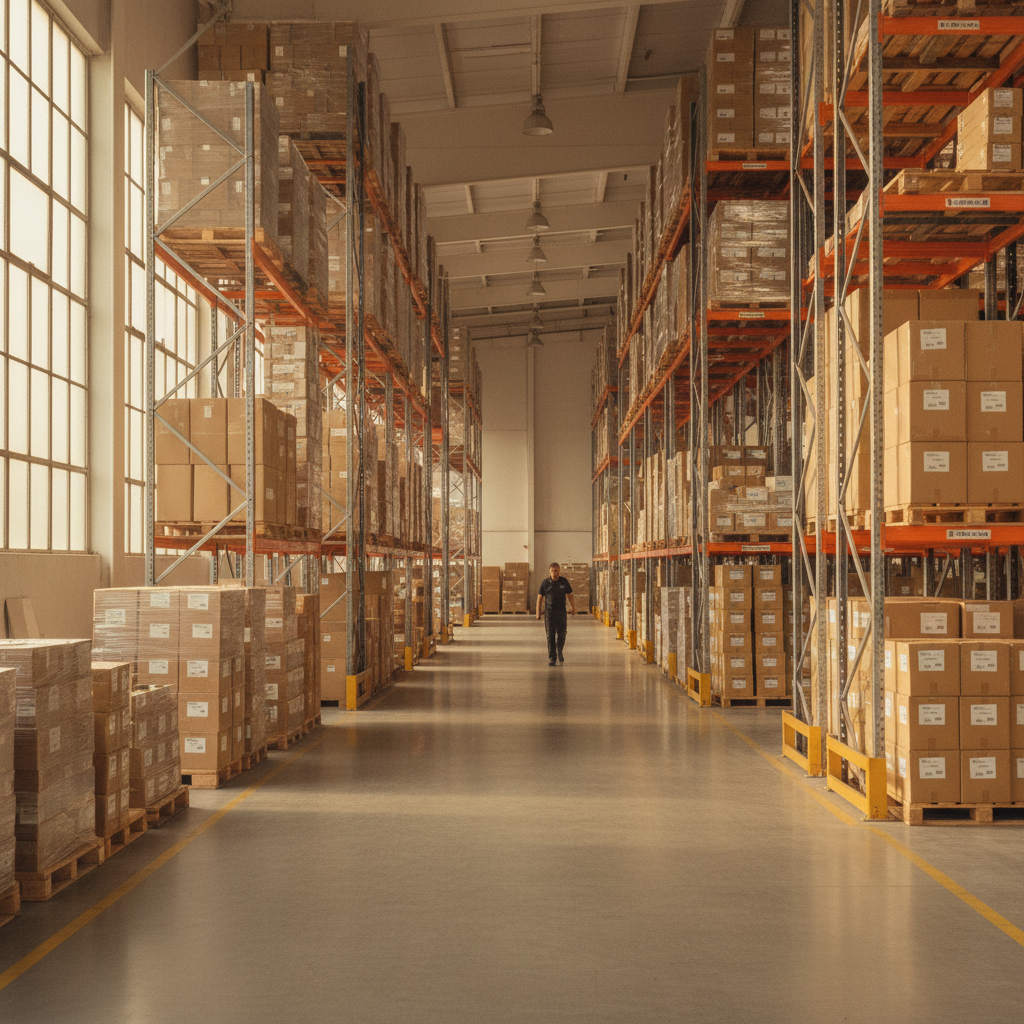
To effectively implement reverse logistics for small business Utah, owners must move from passive acceptance of returns to active value recovery. The following five stages provide a structured method to categorize incoming goods and decide their most profitable next step.
Returns: Efficiency begins at the loading dock. Establish a designated intake zone where items are scanned and photographed within 24 hours of arrival. This prevents the ghost inventory buildup mentioned previously and allows for immediate data entry.
Reselling: For Utah e-commerce retailers, this is the most lucrative path. If an item is unopened and like new, it should be restocked immediately. Use a clear checklist to verify seal integrity and functional completeness before placing it back on the shelf.
Repairs: Local manufacturers often find the most value here. Instead of scrapping a returned motor or tool, a quick bench test and component replacement can restore it to certified refurbished status. This saves the core sale and reduces total loss.
Repackaging: Presentation is a dealbreaker for retail. If the product is perfect but the box is damaged, keep a supply of generic or branded packaging on hand. This small investment allows for a full price sale rather than a scratch and dent discount.
Recycling: When a product is truly end of life, sustainable disposal is the final step. Utah businesses should partner with local scrap or electronic waste facilities in the Juab region to ensure compliance and potentially recover raw material costs.
The priority of these methods shifts based on the specific industry and business model:
Business Type | Primary Focus | Key Recovery Strategy |
|---|---|---|
E-commerce Retailer | Reselling & Repackaging | Fast restock of A-grade items to maintain margins |
Local Manufacturer | Repairs & Refurbishing | Component-level salvage and functional testing |
Construction & Ag | Recycling & Returns | Core exchanges and scrap material recovery |
By utilizing flexible logistics support to handle these stages, businesses ensure that items do not sit idle. Consistent execution across these five categories transforms a cluttered backroom into an extension of the active supply chain. Maintaining this flow requires transportation and freight coordination that can handle small, varied loads coming back into the system from various points across the Wasatach Front.
Best Practices for Returns Management in Utah
Managing the physical return is only half the battle; the other half is the administrative framework that keeps the process organized. For reverse logistics for small business Utah, a structured Return Merchandise Authorization (RMA) system is the foundation of efficiency. An RMA ensures that no item arrives at your facility without a digital paper trail, allowing your team to track the reason for the return, its origin, and its expected arrival date.
Practice | Implementation Detail | Business Benefit |
|---|---|---|
RMA Requirement | Assign unique codes for every return | Prevents "blind" arrivals and speeds up sorting |
14-30 Day Window | Match policy to product type and local shipping times | Balances customer satisfaction with inventory turn |
Double-Stage Inspection | Functional test followed by aesthetic review | Eliminates the risk of shipping faulty goods twice |
Regional Pickups | Use local hubs for batching returns | Cuts individual shipping costs significantly |
Setting realistic return windows is a common pain point. While some industries lean toward a strict 14 day policy, Utah small businesses often find that a 21 or 30 day window accounts better for the transit times involved in serving rural Juab County or the Uinta Basin. This flexibility builds trust without compromising the ability to recover value before a product becomes obsolete.
The "inspected and restocked" workflow must be rigorous. Every item needs a physical validation or digital log entry before it moves back to the shelf. This prevents the costly cycle of faulty products reaching new customers, which can damage a local brand’s reputation. Small local firms can leverage their proximity to the Wasatch Front as a competitive tool. By offering 48 hour local processing, you can outperform national retailers whose return loops often take weeks. Utilizing transportation and freight coordination allows you to move these items back into your active inventory while the demand is still high. Integrating flexible logistics support into these workflows ensures that your return policy becomes a driver of repeat business rather than a purely defensive measure.
How to Organize a Return: Step by Step for Local Retailers

Organizing a return begins the moment a customer contacts your team. This initial interaction is a high-stakes touchpoint for brand loyalty; clear, proactive communication can turn a frustrated buyer into a repeat customer. To keep the process structured, follow this standardized workflow for reverse logistics for small business Utah:
RMA Issuance: Provide a unique Return Merchandise Authorization code immediately. This ensures your warehouse team knows exactly what is arriving and why, preventing confusion at the loading dock.
Logistics Coordination: Determine if the customer will ship the item or if a local pickup is more cost-effective. For businesses in Juab County or Provo, leveraging transportation and freight coordination allows you to batch these returns with other local deliveries to save on fuel and time.
Receiving and Inspection: Evaluate the product within 24 hours of arrival. Document the condition with photos to prevent disputes and update your inventory management system to reflect the item's current state.
Final Disposition: Direct the item to its next home. Based on the inspection, move the product to restock, repair, or scrap.
Executing these steps quickly prevents the ghost inventory buildup that drains local capital. By utilizing flexible logistics support, retailers can automate the physical movement of these goods, ensuring that the return process remains as professional and efficient as the initial sale.
The Role of a Local Logistics Partner in Reverse Operations
Partnering with a regional provider transforms reverse logistics for small business Utah from a chaotic burden into an organized, cost-effective workflow. For a manufacturer in Nephi or a retailer in Provo, the primary advantage is freight consolidation. Instead of paying high individual parcel rates to move single items back to a distribution hub, a local partner collects and batches these returns. Juab Logistics utilizes its regional presence to provide last-mile return pickups, removing the logistical weight from your customer’s shoulders while reducing your overall transportation spend.
Local warehousing support further enhances this process. By utilizing flexible logistics support for temporary storage and initial inspection, you keep your primary facility clear of unprocessed items. This regional proximity allows for faster turnarounds than national carriers can offer. Once returns are consolidated, transportation and freight coordination ensures they move back into your supply chain at the lowest possible cost per unit. You can learn more about Juab Logistics and our specialized approach to managing these essential local loops.
Sustainability and Green Logistics in Reverse Flows
Integrating sustainable practices into reverse logistics for small business Utah aligns operational efficiency with the environmental values of local consumers. The most direct impact comes from eliminating empty backhauls, the inefficient practice of trucks returning to a warehouse empty after completing a delivery. By utilizing transportation and freight coordination to pick up returns or recyclables on the return leg of a route, businesses significantly lower their carbon footprint and fuel consumption.
This optimization turns a necessary service into a green initiative. Providing flexible logistics support that prioritizes these consolidated movements helps Juab County firms meet modern sustainability expectations without increasing overhead. Local businesses can learn more about Juab Logistics to see how regional expertise fosters a cleaner, more efficient supply chain.