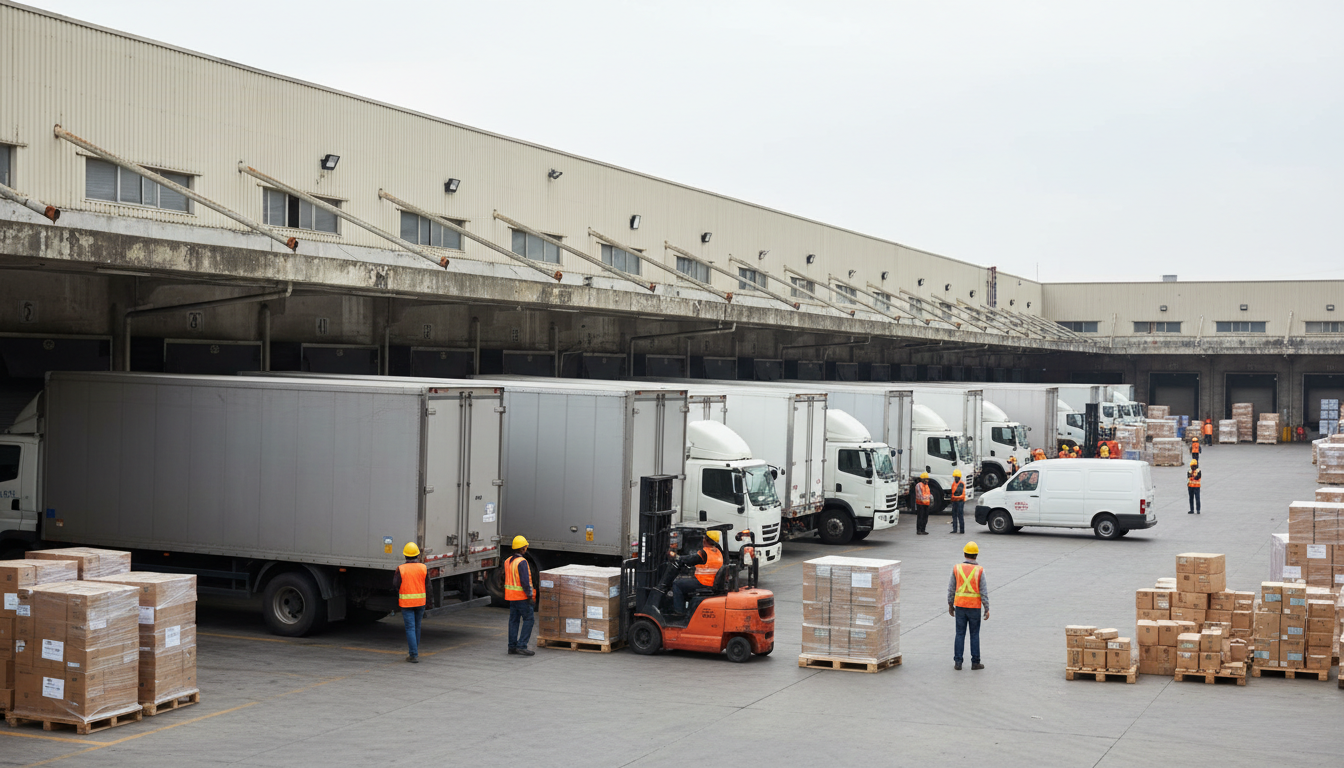
To reduce freight costs small business Utah firms should consolidate shipments and negotiate contract rates with local regional carriers to capitalize on volume discounts. Leveraging third party logistics providers and utilizing Utah's central distribution hubs further minimizes shipping overhead through optimized routing and efficient warehousing; these steps ensure long term savings on transportation expenses.
Operating a small business in Utah offers incredible opportunities, yet the logistical reality of the Intermountain West often translates to disproportionately high freight expenses. For many local companies, these rising shipping rates and complex delivery surcharges are not just an inconvenience; they are a significant drain on capital that could otherwise fuel growth. Navigating rural delivery deserts and managing LTL shipments requires more than just a standard carrier. It demands a localized strategy. In this guide, we will detail how to leverage Utah’s status as a free port state, master freight consolidation, and audit invoices for hidden fees. You will discover practical steps to optimize your supply chain from the Wasatch Front to Juab County, ensuring your logistics operations remain lean, predictable, and highly competitive.
The Challenge of Utah Logistics: Why Small Businesses Pay More
Utah holds a strategic position as the crossroads of the Intermountain West, yet the benefits of this geographic advantage are not distributed equally. While growth along the Wasatch Front accelerates, businesses in rural areas like Juab County often find themselves in logistical deserts. National carriers frequently prioritize high-density routes between Salt Lake City and Provo, leaving smaller operations in central Utah to contend with higher per-unit costs due to lower shipment volumes. To effectively reduce freight costs, small business Utah operators must understand that geographic isolation often triggers automatic surcharges from providers who do not specialize in the region.
The terrain itself adds layers of complexity that national shipping models fail to capture. Seasonal weather impacts, such as heavy snow in the mountain passes and wind delays along the I-15 corridor, create price volatility and reliability gaps. Unlike flatter regions, a single storm can halt transit through Parley’s Canyon or Sardine Canyon, impacting the entire supply chain. Managing these risks requires modern logistics solutions that account for local elevation and weather patterns rather than relying on generic transit estimates. For many, the challenge lies in securing dependable Utah shipping that treats a delivery in Juab County with the same urgency as one in Salt Lake, ensuring that smaller volumes do not lead to second-class service. If you need immediate assistance navigating these regional hurdles, you can contact our logistics experts.
Leverage Utah as a Free Port State for Inventory Savings
Beyond navigating the physical terrain, savvy operators look to Utah’s tax code to find financial relief. Utah is a Free Port state, a designation that provides a significant competitive edge for firms aiming to reduce freight costs small business Utah owners often overlook. Under this law, inventory that is held in Utah but destined for delivery outside the state is exempt from personal property taxes. This exemption applies as long as the goods are shipped out within 12 months, effectively removing the tax burden on goods in transit or temporary storage.
For a manufacturer in Juab County or a retailer along the I-15 corridor, this means you can store larger quantities of product locally without the recurring tax penalty found in neighboring states. By centralizing inventory here, you eliminate the need for frequent, high-cost shipments from out-of-state suppliers. You can bring in bulk loads, benefit from lower storage costs compared to Salt Lake City, and then distribute to California, Nevada, or Idaho tax-free. This approach transforms a warehouse from a simple storage space into a strategic tax shelter.
To maximize this advantage, integrate tax-exempt warehousing into your broader supply chain strategy. By lowering the carrying cost of inventory, you effectively create a budget buffer to offset the shipping surcharges mentioned previously. Implementing modern logistics solutions that track the duration of storage ensures you stay within the 12-month window for tax compliance. If you are unsure how your current storage setup aligns with these tax benefits, contact our logistics experts to audit your current workflow and inventory positioning.
Mastering LTL Consolidation in the Intermountain West
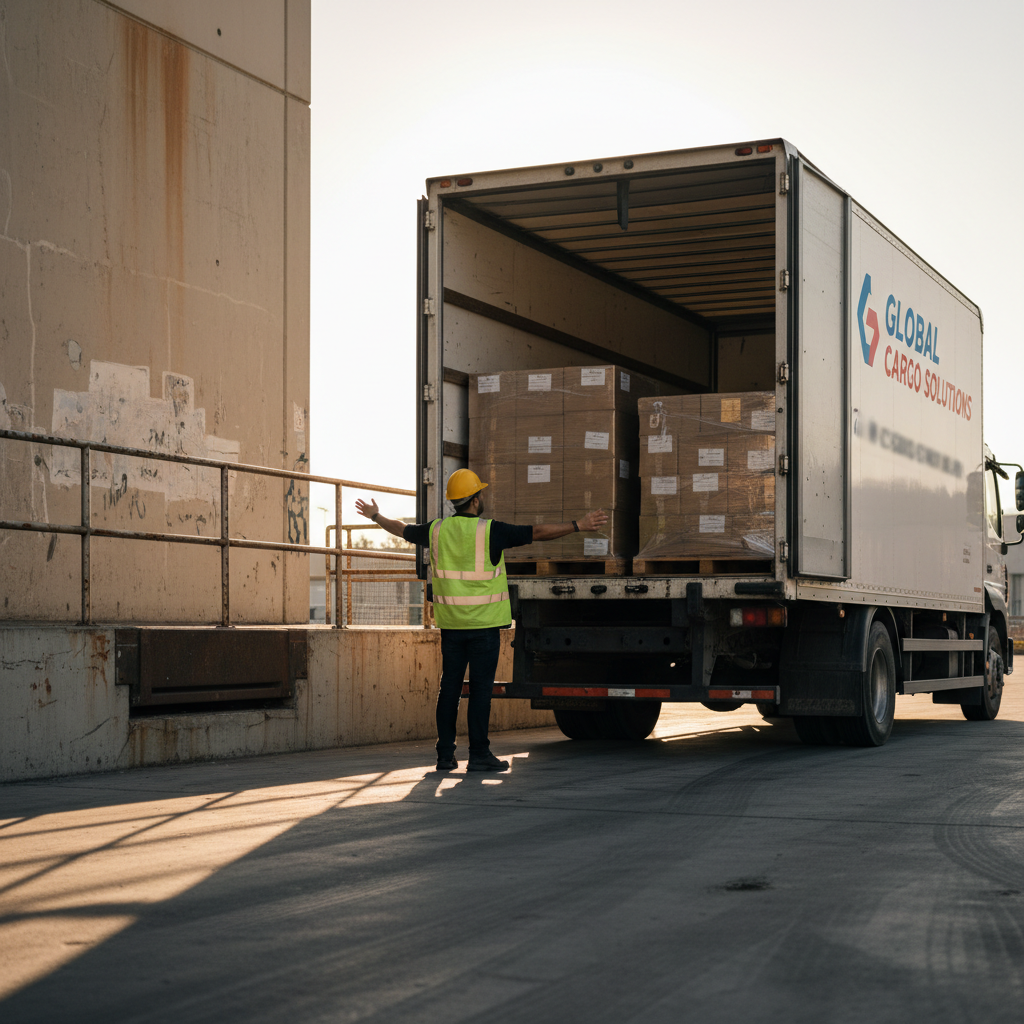
Reducing tax liability is only one half of the equation; the other half is optimizing the physical movement of goods along the I-15 corridor. For many operations in Central Utah, Less-than-Truckload (LTL) shipping is the primary method of transport. However, national providers often treat these smaller pickups as high margin inconveniences. To truly reduce freight costs small business Utah companies must move from reactive shipping to strategic LTL consolidation.
Effective consolidation in the Intermountain West requires aligning your internal production schedule with regional freight lanes. Instead of dispatching several single pallet shipments throughout the week, group your orders to create a larger LTL footprint. This approach minimizes the minimum pickup fees that often bloat invoices. By centralizing freight in a Juab County staging area before moving it toward the Salt Lake City or Provo hubs, you gain leverage. The key is to time your pickups to match established freight flows. For instance, mid-week pickups often bypass the heavy Monday congestion at Wasatch Front docks, leading to more predictable rates and faster turnarounds.
Implementing modern logistics solutions means using technology to identify these consolidation windows. Rather than paying for empty space on a trailer, you are buying into an existing lane that is already moving toward major distribution centers.
Batching by Zone: Group all Wasatch Front deliveries for a single Tuesday or Wednesday pickup to minimize stop charges.
Pallet Optimization: Ensure pallets are stacked to maximize height and stability, as LTL rates are often calculated by floor space or cubic volume.
Regional Staging: Use local dependable Utah shipping partners to haul smaller loads to a central Juab hub for final consolidation before the long haul.
This method replaces erratic spending with a disciplined schedule, allowing you to access the volume discounts typically reserved for larger manufacturers. If you need help mapping out your regional freight lanes, contact our logistics experts to analyze your shipping frequency.
Overcoming Rural Delivery Deserts in Juab County and Central Utah
Consolidating shipments effectively addresses the mid-mile, but the final leg of the journey often presents the steepest financial hurdle. For businesses operating in Juab, Millard, or Sanpete counties, national carriers frequently apply remote area or out-of-area surcharges. These fees are not based on the weight of the freight; they are geographical penalties applied because the delivery address falls outside a carrier’s primary service radius from the Wasatch Front hubs. In many cases, these surcharges can increase a single invoice by 15% to 30%, complicating your ability to manage margins.
Choosing a regional expert is the most direct way to reduce freight costs small business Utah owners face when shipping to central and southern parts of the state. The physical geography of Central Utah adds a layer of difficulty that national providers are rarely equipped to handle. The last mile in this region involves navigating steep elevations, agricultural access roads, and construction sites that national drivers, unfamiliar with the local terrain, often struggle to access. This leads to missed delivery windows or additional redelivery fees.
Utilizing modern logistics solutions that leverage local expertise allows businesses to bypass these arbitrary surcharges. A regional partner views Juab County not as a remote desert, but as a primary service area. This local knowledge ensures dependable Utah shipping that accounts for specific site requirements, such as requiring a liftgate for a farm delivery or navigating seasonal mud on unpaved access roads. Bridging this gap requires a partner who understands that rural delivery is a core business function, not a logistical inconvenience. To see how local routing can eliminate your out-of-area fees, contact our logistics experts.
Audit Your Freight Invoices for Hidden Utah Surcharges

Billing errors and hidden fees often go unnoticed by small business owners focused on operations; yet, they are primary targets to reduce freight costs small business Utah operators face every month. Start by scrutinizing Limited Access surcharges. In Juab County, carriers frequently apply this fee to deliveries at construction sites, storage facilities, and agricultural operations, claiming the location requires specialized equipment or smaller trucks. If your facility has a standard dock or clear, paved access, you should challenge these classifications immediately.
Review your invoices against this checklist to identify unnecessary spending:
Limited Access Fees: Verify if the site truly lacks standard commercial access or if the carrier is applying a blanket rural penalty.
Fuel Surcharges: Ensure these match the current weekly Energy Information Administration (EIA) Diesel Price Index rather than an inflated internal carrier rate.
Liftgate Fees: Confirm that a liftgate was actually requested and used, as these are often added by default for rural residential zip codes.
Negotiating these fees independently is difficult when your monthly volume is low. You can gain leverage by presenting six months of historical data to prove shipment consistency, which allows for fixed-rate accessorials. Alternatively, leveraging modern logistics solutions through a regional partner provides access to pre-negotiated rates that small accounts cannot reach alone. If you notice these surcharges creeping into your monthly bills, contact our logistics experts to audit your recent invoices and secure dependable Utah shipping at a transparent price point.
Strategic Warehousing: The Link Between Storage and Shipping Costs

Auditing invoices reveals current inefficiencies, but the root cause of high shipping rates often lies within the warehouse walls. Disorganized storage creates a domino effect. When warehouse teams spend too much time navigating cluttered aisles to find inventory, order processing slows down. To compensate for these internal delays and meet customer deadlines, businesses often resort to expensive expedited shipping, which can instantly negate any savings found through lane negotiation.
For companies managing smaller components or retail goods, implementing effective warehouse storage solutions for small items, such as bin shelving, gravity flow racks, or modular drawer systems, is essential. These methods improve picking accuracy and speed, allowing for more predictable pickup times. Beyond internal organization, the physical location of your inventory impacts your bottom line. While Salt Lake City warehouse rates continue to climb, Juab County offers a cost-effective alternative with lower overhead and immediate access to the I-15 corridor.
By utilizing modern logistics solutions for localized warehousing, you can stage goods closer to regional distribution points without paying premium Wasatch Front prices. This transition to regional storage helps reduce freight costs small business Utah operators face by eliminating the need for emergency transport fees. If your current storage setup is driving up your shipping spend, contact our logistics experts to discuss how dependable Utah shipping starts with strategic placement.
Building Consistency with a Single Regional Partner
While many generic shipping guides suggest comparing every quote to find the lowest price, this transactional approach often backfires for small businesses in the Intermountain West. Constant carrier hopping prevents you from building the rapport necessary to weather Utah's volatile shipping seasons. When a heavy winter storm shuts down I-80 or a holiday peak stretches capacity, national carriers typically prioritize their largest corporate contracts, often leaving smaller accounts stranded on the dock.
A dedicated regional partner operates differently. By centralizing your volume with a provider that specializes in the local terrain, you ensure your freight remains a priority. Loyalty yields better service levels and more flexible windows, which ultimately helps reduce freight costs small business Utah operations face by avoiding the premium rates of emergency spot-market pickups. These partners know the local backroads and understand the specific loading requirements of Juab County businesses. Investing in dependable Utah shipping provides the stability needed for modern logistics solutions to actually work. If you are ready to stop chasing quotes and start building a reliable lane, you can contact our logistics experts today.
Effective freight management in Utah comes down to smart planning and leveraging local expertise. While these strategies provide a solid foundation for reducing costs, the logistics landscape can become overwhelming as your company scales. If you want expert help streamlining your operations and ensuring every shipment is handled with care, we invite you to learn more About our mission and values. Having a dedicated partner can make all the difference in your business growth and peace of mind.