Small businesses in Utah can build resilience by prioritizing local partnerships, implementing AI-driven transparency tools, and diversifying supplier networks to mitigate global risks. Effective supply chain resilience for small businesses involves adopting flexible logistics strategies and maintaining strong communication with regional ecosystem partners to navigate the complexities of the 2026 trade landscape.
For most Utah small business owners, a single delayed shipment or an unexpected raw material shortage is more than a minor inconvenience; it represents a direct threat to your bottom line and customer reputation. As we navigate the complex logistics landscape of 2026, the fragility of lean, single source models has become a significant liability for local enterprises operating on tight margins. Building true resilience requires a shift from reactive firefighting to a proactive, strategic framework designed to absorb shocks. This guide provides a comprehensive roadmap for securing your operations, covering the latest 2026 market forecasts, the strategic advantages of local sourcing within the Intermountain West, and practical inventory management shifts. You will learn how to diversify your vendor base and leverage modern warehousing solutions to ensure your business thrives regardless of global market volatility.
Understanding Supply Chain Resilience for Small Businesses in 2026
In 2026, supply chain resilience for small businesses has evolved beyond simple disaster recovery. It is no longer just about bouncing back from a crisis; it is the proactive ability to anticipate, prepare for, and adapt to both incremental market shifts and sudden shocks. For a manufacturer in Juab County or a retailer in the Wasatch Front, this means building an operation that remains functional even when external variables shift.
To achieve true resilience, businesses must evaluate their logistics through the lens of the 5 Cs:
Capacity: Securing reliable transport and warehousing volume before peak demand or shortages occur.
Capital: Maintaining the financial liquidity necessary to weather price volatility in fuel or freight rates.
Cost: Optimizing for efficiency while purposefully maintaining the redundancies that prevent total failure.
Competence: Leveraging local expertise and modern logistics technology to navigate regional geography.
Compliance: Staying ahead of evolving environmental and safety regulations that impact transport and inventory standards.
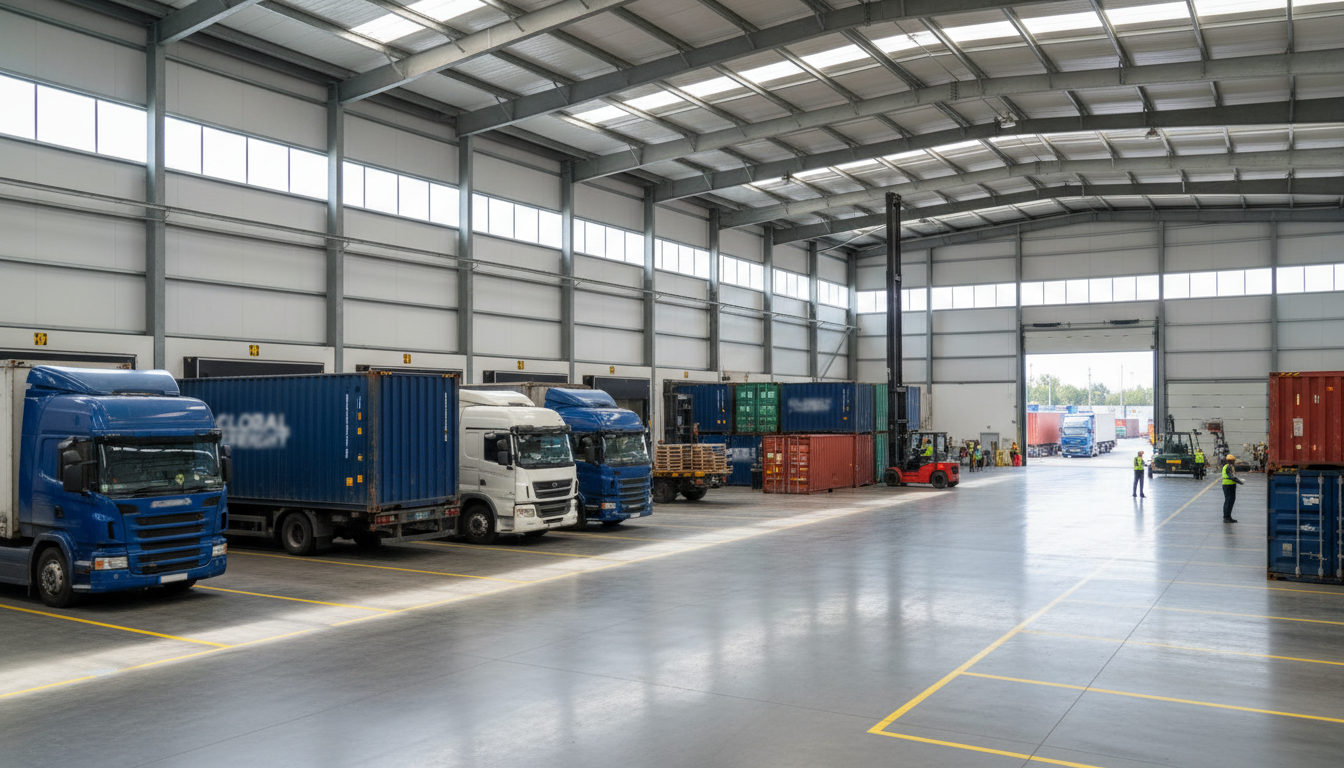
For a small business in Utah, resilience is often defined by geographic agility. When heavy snow or accidents lead to I-15 closures, a business relying solely on just-in-time deliveries from national carriers faces an immediate threat. A resilient strategy involves diversifying through dependable logistics solutions that leverage regional assets. This ensures that while national freight delays might impact long-haul inventory, local operations and last-mile deliveries continue to serve the community without interruption. If you want to learn more about Juab Logistics and how we facilitate this level of preparedness, contact our team to audit your current transport vulnerabilities.
The 2026 Supply Chain Forecast: Risks and Opportunities for Utah SMBs
The outlook for 2026 suggests a fundamental shift in how small businesses view the movement of goods. Current market data indicates that nearly 70% of trade professionals now prioritize supply chain management as their top strategic concern, moving it from a back-office function to a boardroom priority. This shift is driven by a risk landscape that has become increasingly complex, requiring a proactive stance on supply chain resilience for small businesses to survive.
Several specific risks dominate the 2026 forecast. Artificial intelligence disruption is a primary driver, offering powerful predictive capabilities while simultaneously introducing volatility for those who cannot interpret algorithmic demand signals. Furthermore, rising logistics costs, driven by labor shortages and equipment inflation, continue to put pressure on bottom lines. Compliance demands have also intensified, with new reporting requirements for carbon footprints and transparency in sourcing now reaching smaller firms that were previously exempt.
However, these challenges create a significant opening for Utah SMBs. While national competitors often rely on fragile, over-extended global networks that are susceptible to international port strikes or geopolitical shifts, Utah’s growing tech and manufacturing sectors can capitalize on regional stability. The state's economic density allows local firms to leverage dependable logistics solutions that bypass the systemic failures seen in national long-haul freight.
By focusing on regional assets, Utah businesses can maintain faster turnarounds and more reliable delivery windows than companies tethered to distant hubs. This localized approach utilizes Utah’s robust infrastructure as a buffer against broader market instability. To see how our regional model supports this stability, you can learn more about Juab Logistics and our focus on the Intermountain West. If you need to assess how these 2026 trends will specifically impact your overhead, contact our team for a practical review of your current transport and distribution strategy.
Strategic Diversification: Moving Beyond Single Sourcing
The Power of Local Sourcing and Logistics Partners
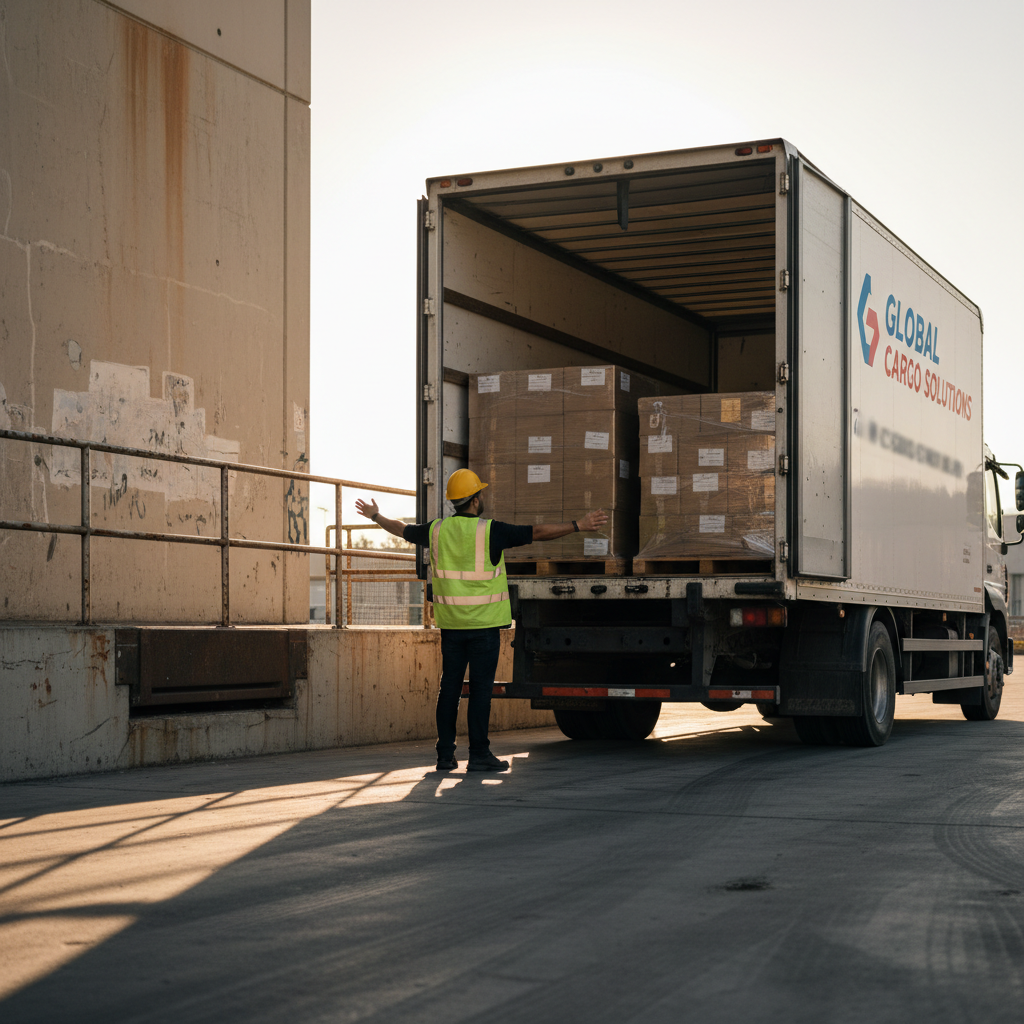
Relying on strategic diversification is only effective if the physical movement of goods is equally flexible. This is where the benefits of a local logistics partner become critical for supply chain resilience for small businesses. National carriers typically operate on a hub-and-spoke model that prioritizes high-volume lanes, which often leaves rural Utah businesses facing inconsistent last-mile service and escalating transportation costs.
A local partner focuses on short-haul transport and regional agility. By keeping the supply chain closer to home, you significantly reduce expenses related to long-haul fuel surcharges and hub delays. Furthermore, a regional provider understands the specific geography of Juab County and surrounding areas, including the seasonal quirks of local routes and the precise requirements of remote delivery sites in the construction or agricultural sectors. This local expertise ensures that deliveries are not just scheduled, but actually completed on time, regardless of the challenges posed by rural terrain or limited carrier availability.
Juab Logistics provides these dependable logistics solutions by bridging the gap between national freight arrivals and local destinations. We maintain the flexibility to adjust routes in real-time, providing a level of reliability that larger, centralized firms cannot match. To learn more about Juab Logistics and how our specialized regional knowledge can protect your operations, contact our team to discuss your specific transport needs.
Enhancing Flexibility through Modern Warehousing and Inventory Management

Building supply chain resilience for small businesses requires a shift away from rigid, long-term lease commitments toward more dynamic dependable logistics solutions. In 2026, inventory management has transitioned from a back-office cost center to a strategic buffer against market volatility. Modern warehousing solutions allow Utah firms to maintain safety stock and position goods closer to their end users without the financial burden of owning and operating massive private facilities.
Flexibility in storage is particularly critical for the unique economic cycles of the Intermountain West. Utah’s agricultural operations often require sudden, high-volume storage capacity during harvest windows, while retail businesses must scale inventory rapidly to meet seasonal demand peaks. Flexible warehousing support provides the ability to expand or contract storage footprints based on actual demand. This prevents the financial drain of paying for empty square footage during slow months or facing the operational bottleneck of overcapacity when orders surge.
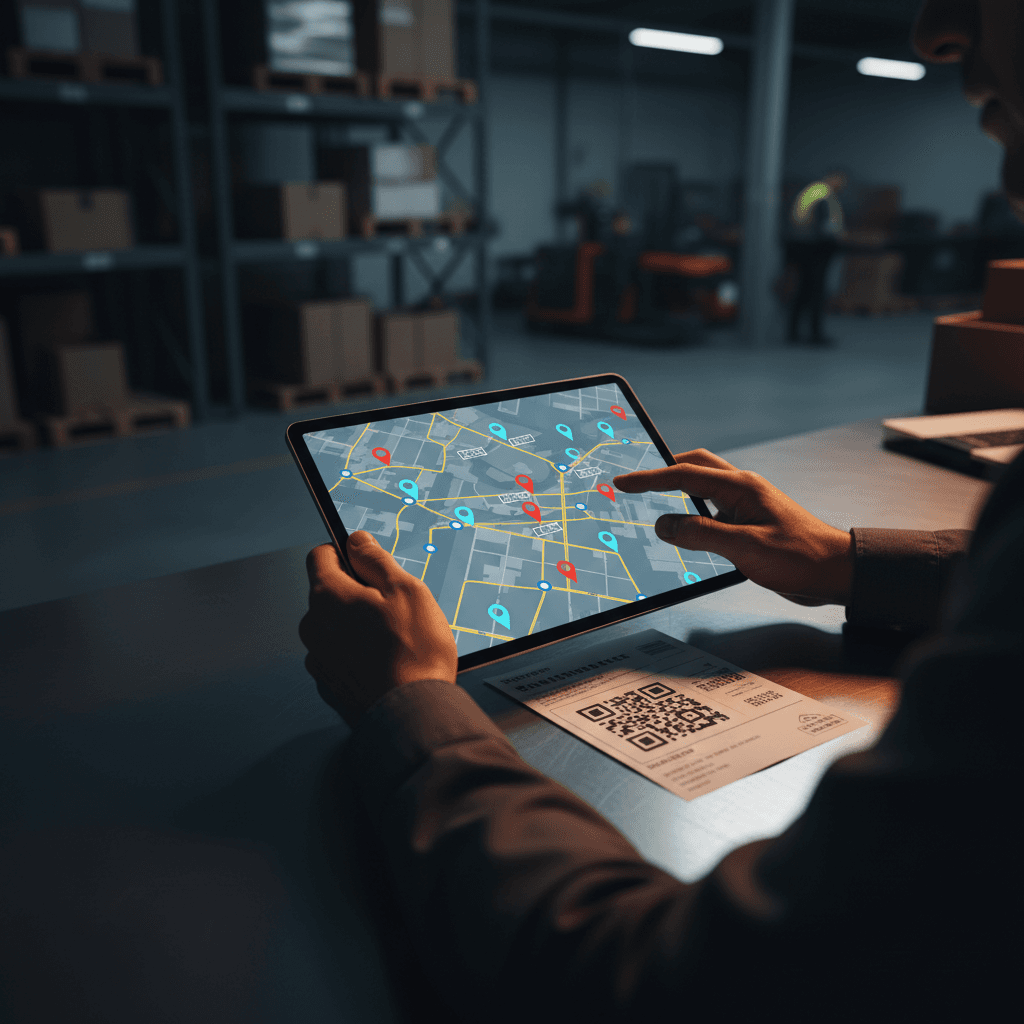
Technology serves as the foundation for these flexible systems. By utilizing automated manifests and real-time tracking, businesses gain total transparency over their stock levels at every stage. This data-driven approach eliminates the uncertainty often associated with third-party storage. When a manufacturer can see exactly where their components are located within a Juab County facility, they can make faster, more informed decisions regarding production schedules. To learn more about Juab Logistics and how our tech-enabled storage can stabilize your operations, contact our team for a customized assessment. This level of visibility ensures that even when regional market conditions fluctuate, your inventory remains accessible and ready for immediate deployment.
Navigating Supply Chain Resilience in Rural Utah
Logistics in rural Utah require a different playbook than those in metropolitan hubs. Supply chain resilience for small businesses operating in Juab County depends on mastering the nuances of geography and infrastructure. Unlike urban areas with high carrier density, rural logistics often face limited equipment availability and longer distances between service points. Effective route planning is no longer just about finding the shortest distance; it involves proactive contingency preparation for seasonal road closures or limited bridge capacities that can stall heavy construction machinery or agricultural transport.
Modern smart rural policy trends emphasize the use of localized data to optimize these low-density routes. By integrating local expertise with modern technology, businesses can avoid common pitfalls like specialized equipment shortages. A national freight broker might struggle to find a flatbed with specific unloading capabilities for a remote site in Levan, but a partner with deep roots in the region understands these specific requirements. Juab Logistics provides dependable logistics solutions tailored to these rural realities. Our team understands the local terrain and the specialized equipment needs that ensure your cargo moves without friction, even when national carriers decline the lane. To learn more about Juab Logistics and how we navigate the unique demands of the Utah interior, contact our team for a consultation on your rural distribution strategy.
Actionable Steps: Your Resilience Checklist for 2026
Strengthening supply chain resilience for small businesses requires moving from high level theory to concrete execution. Use this checklist to harden your Utah operations against 2026 market fluctuations:
Audit Supplier Geography: Map every tier of your supply chain. Identify vendors in high risk or long haul zones and source regional alternatives to mitigate transit delays.
Deploy Real-Time Tracking: Use digital manifests and GPS monitoring. Precise visibility allows for faster pivots during localized route disruptions.
Partner with a Regional 3PL: Secure dependable logistics solutions to ensure dedicated equipment and local drivers are available when national capacity tightens. Learn more about Juab Logistics and our fleet's specific regional capabilities.
Model Local Scenarios: Document response plans for specific regional challenges, such as a 48 hour I-15 closure or a sudden shortage of specialized equipment. Contact our team to help analyze these transport contingencies and finalize your 2026 preparedness strategy.
Building supply chain resilience in Utah for 2026 requires a focus on local partnerships, proactive planning, and technical adaptability. While these strategies provide a solid foundation for growth, managing complex logistics solo can be overwhelming. If you want expert help streamlining your operations and securing your supply chain, you can read more about our team and how we support local businesses. We are here to help you navigate the evolving landscape; we ensure your business remains stable and ready for future challenges.