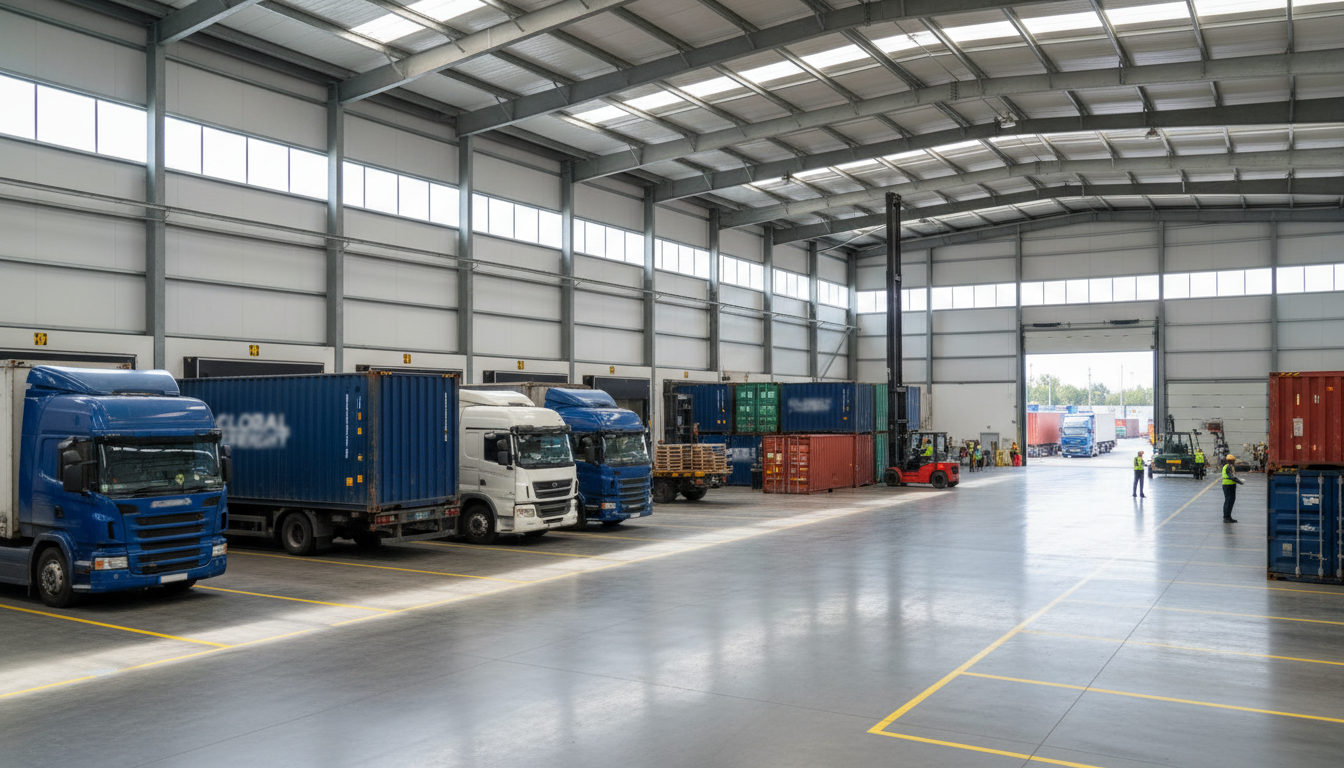
Last-mile delivery rural Utah involves navigating complex challenges such as sparse population density, limited infrastructure, and long distances that increase shipping costs. Logistics providers are addressing these gaps by utilizing regional transit networks and smart scheduling to ensure reliable fulfillment in remote areas like Juab County. These trends focus on improving connectivity and resource allocation to streamline the final stretch of the supply chain.
Shipping to the remote stretches of Juab County often reveals a harsh reality that standard logistics models fail to address. While urban centers enjoy streamlined routes, rural Utah presents a landscape of gravel roads, inconsistent GPS data, and vast distances that can drain a company’s bottom line. For businesses operating in the Intermountain West, the final leg of the journey is not just a logistical step; it is a critical test of reliability and customer trust. Understanding how to navigate these geographic hurdles is essential for maintaining a competitive edge in an increasingly digital economy. In this guide, we will analyze the latest trends reshaping rural logistics, from the strategic use of micro-fulfillment hubs to the implementation of localized driver networks. You will learn how modern technology and specific regional expertise are overcoming traditional barriers to ensure that every delivery reaches its destination efficiently.
The Evolution of Rural Last-Mile Logistics in Utah
Last-mile delivery rural Utah is the critical final leg where goods move from a regional distribution center to their ultimate destination, whether that is a residential doorstep, a remote ranch, or a busy construction site. In the Beehive State, this stage often involves navigating rugged terrain and vast distances that national carriers frequently struggle to service efficiently. While global logistics giants excel at high-volume metropolitan routes, they often falter when faced with the final mile in sparsely populated areas. This is where local expertise becomes the defining factor in supply chain success.
Utah is currently experiencing a significant economic boom, with growth expanding well beyond the Wasatch Front. This development is driving a surge in demand for faster, more reliable delivery services in communities like Nephi, Mona, and Levan. Local manufacturers and agricultural operations no longer accept multi-day delays as the cost of doing business in rural locations. Central Utah serves as the Utah Bridge, acting as a vital connector between northern industrial hubs and southern markets. By leveraging modern logistics solutions, businesses can treat Juab County as a strategic pivot point rather than a remote outpost. This evolution shifts the focus toward providing dependable warehousing support that keeps inventory moving across the state without the friction typical of traditional rural freight models.
Major Challenges Facing Last-Mile Delivery in Rural Utah

Transitioning from a regional hub to a specific drop-off point in Juab County introduces unique logistical hurdles that national models often overlook. The primary obstacle is sparse delivery density. Unlike urban centers where a driver might make twenty stops on a single street, rural routes often require traveling ten or fifteen miles between a single ranching operation in Mills and a construction site near Levan. This distance significantly increases fuel consumption and vehicle wear, making efficiency a matter of careful route planning rather than just speed.
Seasonal obstacles further complicate these timelines. Winter travel through Salt Creek Canyon or along the Mount Nebo Loop requires more than just standard equipment; it demands real-time decision-making regarding snowpack and ice. Unpredictable weather can transform a standard forty-minute transit into a multi-hour ordeal, frequently forcing out-of-state carriers to cancel routes entirely. Maintaining modern logistics solutions in this environment means accounting for these delays before the driver ever leaves the warehouse.
Perhaps the most persistent technical challenge is inaccurate addressing. In many parts of rural Juab County, GPS coordinates frequently lead to a fence line or a dry wash rather than a specific delivery gate. Relying solely on automated dispatch systems often results in failed deliveries or package undeliverable notices. Solving this requires local expertise and an intimate knowledge of rural route markers and dirt roads that do not appear on standard digital maps. Drivers must understand the local landscape to ensure that last-mile delivery rural Utah remains a dependable service rather than a logistical guessing game. These factors, combined with limited connectivity in remote pockets, necessitate a hybrid approach where technology assists, but local experience ultimately completes the job.
Trend 1: The Rise of Micro-Fulfillment and Regional Hubs
To combat the density and distance issues inherent in the rural landscape, the industry is shifting away from centralized, massive Salt Lake City warehouses in favor of regional micro-fulfillment centers. This decentralized approach places inventory as close as possible to the point of consumption, effectively shortening the supply chain. Juab County is at the forefront of this shift, particularly with the development of the Nortonville Rail Site and the Utah Inland Port Authority’s strategic involvement in central Utah. These initiatives transform the region into a logistics crossroads, allowing freight to move seamlessly from rail to truck without ever entering the congested Wasatch Front.
By utilizing dependable warehousing support in Nephi, businesses can maintain localized inventory blocks. This model drastically alters the math for last-mile delivery rural Utah, turning what would be a hundred-mile transit into a quick trip to a local retailer or a twenty-minute drive to a ranch in Levan. When the starting point of the delivery is moved closer to the destination, the impact of high fuel costs and transit times is significantly mitigated.
For agricultural operations, this means critical machinery components or bulk supplies are stored within the county rather than in a warehouse two counties away. For retailers, it ensures shelves are restocked based on real-time local demand rather than waiting for a weekly freight truck from a distant hub. This transition to regional hubs provides the modern logistics solutions necessary to support a growing economy, ensuring that Juab County remains a competitive place to do business. Moving the product closer to the end user is the most practical way to bypass the infrastructure hurdles that often disrupt traditional logistics models.
Trend 2: Tech-Enabled Visibility for Remote Shipments

While physical proximity via regional hubs reduces transit times, technology provides the oversight necessary to manage the actual movement of goods. Modern modern logistics solutions are no longer exclusive to metropolitan corridors; they are arguably more critical in the rural landscape. AI-powered route optimization is essential for navigating the complex topography of Juab County. These systems allow for the calculation of the most efficient paths while accounting for variables like road surface quality and historical weather patterns.
Achieving precise last-mile delivery rural Utah tracking requires more than just a smartphone in a driver's hand. It demands integrated platforms that synchronize dispatch with real-time GPS data. This level of transparency is vital when delivering high-value equipment to remote construction sites or specialized supplies to a farm. When clients can see exactly where their shipment is on a digital map, the inherent anxiety of rural delivery delays is effectively mitigated.
By implementing these digital tools, Juab Logistics ensures that Real-Time Visibility is a standard feature rather than a luxury. This tech-enabled approach complements dependable warehousing support by providing a clear audit trail from the moment a package leaves the hub until it reaches its destination. Even in areas where traditional maps might fail, modern logistics platforms provide the data needed to keep every stakeholder informed throughout the final mile.
Trend 3: Localized Driver Networks and the Human Element

While digital tools provide the map, the success of last-mile delivery rural Utah depends on the person behind the wheel. Generic gig-economy models, which rely on high-turnover contractors and strictly automated instructions, often fail in the face of local nuances. A driver from outside the region may not understand that a closed gate at a ranch in Mona is a standard security measure rather than a delivery refusal, or that a specific dirt road becomes impassable after a light rain.
Leveraging local expertise ensures that drivers are familiar with the specific needs of Juab County businesses, from the preferred drop-off points at construction sites to the specific scheduling requirements of agricultural operations. Community-driven delivery networks are proving more effective than national alternatives because they rely on long-term relationships and institutional knowledge. A local partner understands the shortcuts that avoid seasonal traffic spikes and knows which rural route markers are the most reliable. This human element transforms modern logistics solutions from a rigid system into a flexible service that adapts to the reality of the landscape. By prioritizing a stable, localized workforce over transient labor, businesses gain the consistency required for dependable warehousing support and distribution, ensuring that shipments reach their destination without the friction of out-of-town errors.
How Much Does Last-Mile Delivery Cost in Rural Utah?
Determining the exact cost of last-mile delivery rural Utah requires looking at several variables that national flat-rate models often ignore. Pricing in Juab County is primarily driven by three factors: fuel surcharges relative to mileage, total package weight, and delivery frequency. For example, a heavy shipment of irrigation parts destined for a ranch south of Levan incurs higher costs than a standard parcel in downtown Nephi due to specialized vehicle requirements and increased fuel consumption over unpaved roads.
Comparing costs necessitates looking beyond the initial quote. Out-of-state carriers frequently attach aggressive "extended area" surcharges and often struggle with location accuracy, leading to expensive failed delivery fees or lost operational time. Leveraging local expertise eliminates these hidden costs of redelivery. A scheduled, local partner provides modern logistics solutions that prioritize accuracy on the first attempt, which is far more cost-effective than paying for multiple attempts from a carrier unfamiliar with Juab’s rural route markers.
Businesses can further optimize their logistics spend by bundling shipments into consolidated routes. Instead of requesting daily on-demand transit for single items, coordinating a fixed twice-weekly schedule allows for better delivery density. This approach, combined with dependable warehousing support, allows companies to distribute the fixed costs of the trip across a larger volume of goods, significantly lowering the per-package rate in rural zones.
Preparing for the Future: E-commerce and Agricultural Growth

The intersection of digital commerce and legacy agriculture is redefining the requirements for last-mile delivery rural Utah. As agricultural operations in Nephi and surrounding areas increasingly rely on industrial e-commerce for heavy equipment parts and bulk supplies, the logistical demand shifts from occasional parcel drops to high-frequency, heavy-duty transport. Farmers and ranchers now utilize online marketplaces to source specialized components that were once only available through distant dealerships, requiring a delivery partner capable of handling more than just standard boxes.
This evolution also encompasses a growing direct-to-consumer movement, where local producers require modern logistics solutions to ship perishable goods or bulk products directly from the farm to the customer. To support this growth, the Juab County Transportation Master Plan outlines critical infrastructure upgrades, including road widening and improved corridor management, which will reduce transit times and vehicle maintenance costs. These planned improvements, combined with dependable warehousing support, create a more resilient supply chain. By utilizing local expertise to navigate these developing routes, businesses can capitalize on the region's expanding infrastructure. Future-proofing your operations means aligning with a logistics strategy that understands both the upcoming pavement upgrades and the unique seasonal demands of the Utah agricultural cycle.
Navigating the unique challenges of rural delivery in Juab County requires a strategic balance of local insight and modern technology. As infrastructure evolves and customer expectations grow, staying ahead of these trends is essential for any business operating in Central Utah. If you find that managing these logistical complexities is becoming a distraction from your core operations, you might consider partnering with expert help. You can learn more about our team to see how we help businesses streamline their final stretch deliveries effectively and reliably.