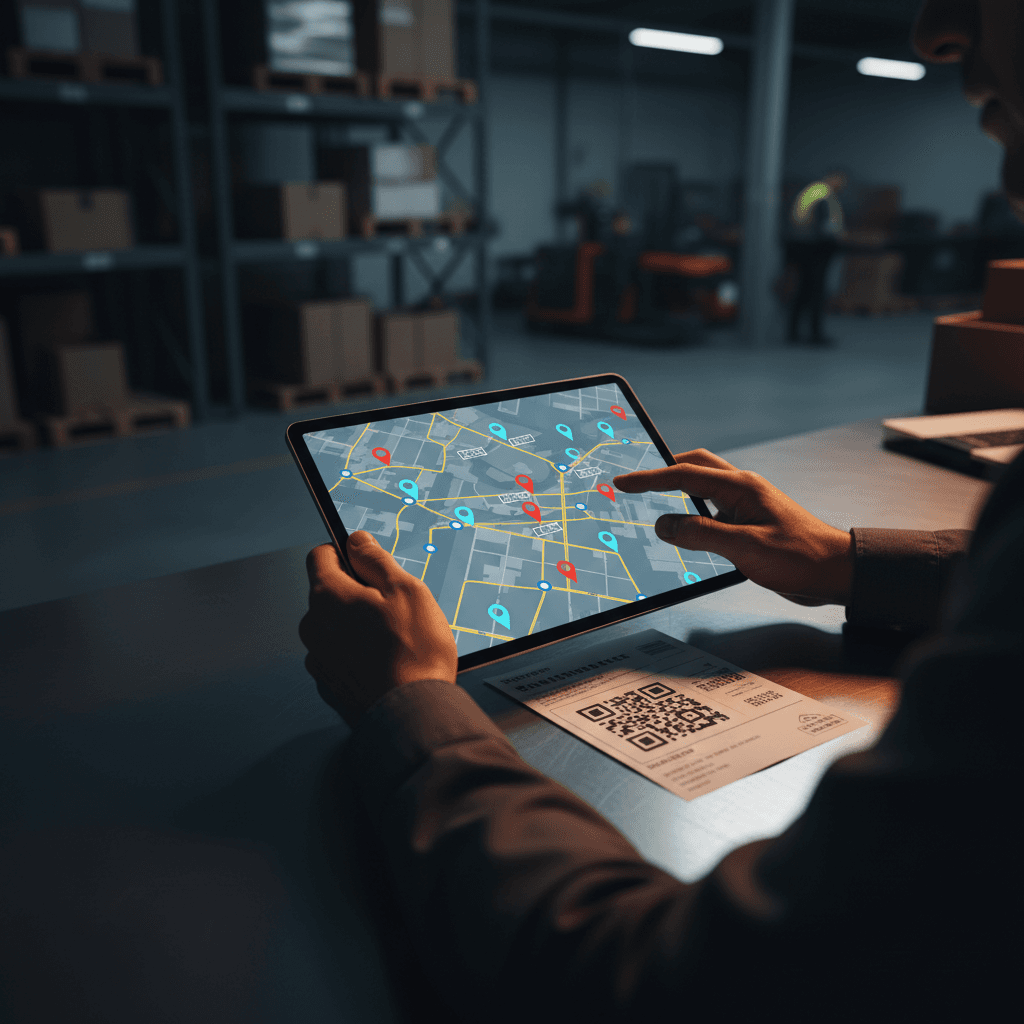
A regional logistics partner for small business provides a strategic advantage by lowering shipping costs and accelerating delivery speeds through localized network expertise. These partners grant access to advanced inventory technology and scalable warehousing solutions; this enables smaller firms to compete effectively with national brands while maintaining superior customer service.
Small business owners often feel trapped between escalating shipping costs and the impersonal service of national carriers. When your growth is limited by rigid logistics models, your competitive edge begins to dull. In the 2026 market, agility is the primary currency. A regional logistics partner provides more than just transport; they offer a strategic advantage that aligns with your specific operational needs. This shift toward regionality allows for faster last-mile fulfillment and localized expertise that national giants cannot replicate. In this guide, we will analyze why regional partnerships are becoming the preferred choice for scaling enterprises. You will learn about flexible pricing models, the distinct benefits of the Utah market, and how to transition from capital-heavy infrastructure to a streamlined, service-oriented logistics strategy that prioritizes your customer satisfaction.
The Strategic Shift Toward Regional Logistics in 2026
In 2026, the logistics landscape is undergoing a fundamental transformation. While massive national carriers provide a vast geographic footprint, many small businesses are discovering that these "one size fits all" solutions lack the precision needed to stay competitive in a local market. A regional logistics partner for small business offers a distinct alternative by focusing on depth of service and operational agility rather than mere breadth. Instead of being one of a million accounts in a national database, local firms are increasingly choosing partners who understand the specific nuances of their territory.
Small businesses throughout Juab County and the broader Utah region are moving away from rigid national contracts that often come with hidden surcharges and impersonal support. This strategic shift allows for more responsive transportation and freight coordination tailored to actual local needs. Juab Logistics serves as a prime example of this regional focus, providing the modern technology and local expertise required to bridge the gap between industrial requirements and consumer expectations. By prioritizing regional density over national sprawl, these partnerships allow companies to maintain leaner supply chains while achieving faster turnarounds. This focus on agility ensures that logistics becomes a tool for growth rather than a source of friction.
Lower Costs and More Flexible Pricing Models
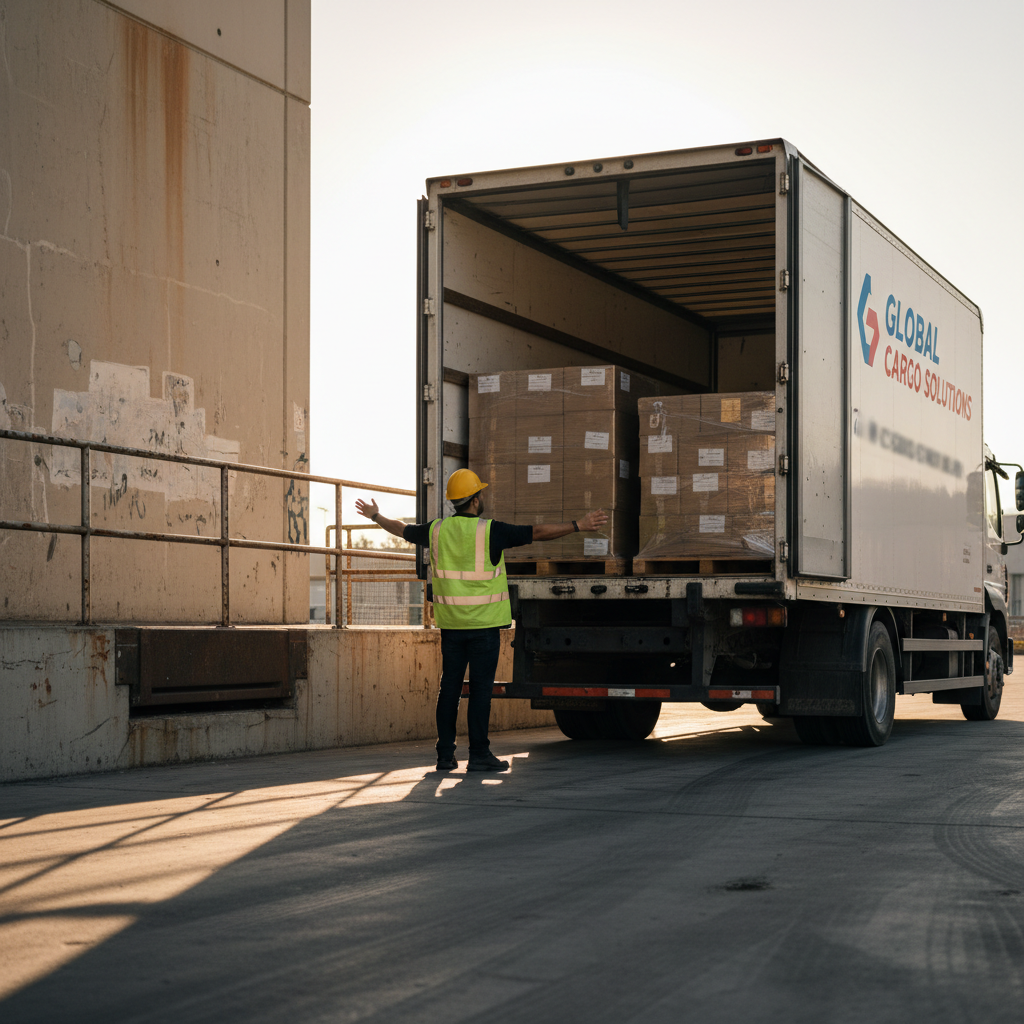
Agility and responsiveness are vital, but for most local firms, the primary driver for switching to a regional logistics partner for small business is the immediate impact on the balance sheet. Regional carriers typically operate at a price point 15 to 40 percent lower than national alternatives. This cost advantage stems from a streamlined operational footprint rather than a reduction in service quality.
National carriers frequently rely on complex pricing matrices that include residential surcharges, fuel adjusters, and peak season premiums that apply regardless of the actual distance a shipment travels. A regional provider offers lower base rates and significantly fewer add on fees. By focusing on a specific geographic zone, these partners minimize the administrative bloat and overhead associated with maintaining massive, multi-state networks. For a business operating out of Juab County, these hidden fees often represent a disproportionate percentage of the total shipping budget.
Cost Component | National Carriers | Regional Partners |
|---|---|---|
Base Rates | High, standardized | Lower, zone-optimized |
Surcharges | Multiple (Fuel, Peak, Remote) | Minimal or included |
Pricing Structure | Rigid, non-negotiable | Flexible, volume-based |
Optimized routing within the Utah corridor allows for denser scheduling and fewer touchpoints. Instead of freight moving through multiple out of state hubs, it stays within a localized loop, reducing fuel consumption and vehicle wear. Controlling these variables through targeted transportation and freight coordination allows small businesses to reclaim their margins and reinvest that capital into core operations. This localized efficiency ensures that every dollar spent on logistics contributes to regional growth rather than national overhead.
Local Market Expertise: The Utah Advantage

Cost savings are only half the battle; reliability hinges on specialized knowledge of the Utah terrain. A regional logistics partner for small business understands the rhythm of the I-15 corridor and the specific logistical hurdles of rural Juab County. While a national dispatcher might see a generic weather alert on a map, a local partner knows exactly which mountain passes become treacherous during a sudden squall and how to reroute through Nephi or Levan to maintain a schedule. This granular awareness of Utah weather patterns and road conditions prevents the multi-day delays common with carriers who lack boots-on-the-ground intelligence.
Industry-specific requirements further emphasize the need for local expertise. In the agricultural sector, delivering seed or equipment is dictated by precise seasonal windows where a 24-hour delay can disrupt a planting cycle. Similarly, construction firms require transportation and freight coordination that accounts for shifting job site access and local weight restrictions on rural routes. A regional provider handles these details intuitively, bypassing the red tape and communication gaps inherent in a national call center. By aligning logistics with the specific regulatory environment and expectations of Utah customers, small businesses ensure their supply chain reflects the same reliability they promise their own clients.
Faster Last Mile Delivery and Higher Customer Satisfaction
This localized knowledge directly translates into superior speed during the final stage of the supply chain. A common question for growing firms is, "What is a regional 3PL?" A regional 3PL is a third party logistics provider that specializes in a specific geographic area, such as the Utah corridor, to provide superior speed and service quality. By operating out of local hubs rather than distant national sorting facilities, a regional logistics partner for small business minimizes the total distance a package travels.
Focusing on the last mile allows small businesses to challenge the delivery standards set by global e-commerce giants. When products are staged within Juab County, they bypass the multi day delays often found at large out of state terminals. Shorter transit times lead to higher customer satisfaction, as local buyers receive their orders with the same efficiency they expect from major retailers.
Efficiency in transportation and freight coordination relies on this proximity. By utilizing a network that treats Nephi or Santaquin as primary hubs rather than remote stops, local companies can offer expedited shipping windows that were previously out of reach. This speed creates a professional customer experience, ensuring that small operations maintain a competitive edge through sheer operational velocity.
Scaling Your Small Business Without Heavy Capital Investment
The speed of last-mile delivery is only sustainable if the back-end infrastructure can scale alongside demand. For many expanding companies in the Intermountain West, the traditional path to growth involved massive capital expenditures, such as leasing industrial facilities, purchasing delivery vans, and hiring full-time warehouse staff. Partnering with a regional logistics partner for small business eliminates these high entry barriers. Instead of sinking capital into fixed assets that may sit underutilized during slow months, businesses can leverage a flexible, shared-resource model.
Accessing professional warehousing for small business through a regional 3PL provides immediate entry into modern facilities equipped with sophisticated inventory management and real-time tracking. This technology, which is often cost-prohibitive for a local manufacturer or retailer to implement independently, becomes a standard part of the service package. By sharing warehouse space, dock equipment, and labor costs with other regional firms, small Utah businesses achieve lean operations that remain resilient through seasonal market fluctuations.
This model allows for rapid scaling without the risk of long-term leases or fleet maintenance liabilities. When a construction project in Juab County requires a sudden surge in materials or an e-commerce brand experiences a holiday peak, the logistics infrastructure expands to meet the volume. Sophisticated transportation and freight coordination ensures these operations run smoothly without the business owner needing to manage drivers or insurance. This shift from fixed to variable costs allows capital to be redirected toward core product development, fueling growth while the logistics partner handles the operational heavy lifting.
Personalized Service vs Automated Support

Small business owners operating on tight margins cannot afford the opacity of a national carrier’s automated support system. Navigating a 1-800 number and waiting for a ticket assignment often results in generic answers that fail to solve immediate problems. A regional logistics partner for small business offers a fundamentally different experience by providing a direct point of contact. You speak with a coordinator who knows your specific transportation and freight coordination schedule, the driver on the route, and the unique requirements of your delivery site in Juab County.
This accountability builds trust that automated systems cannot replicate. Rather than explaining your business model to a different representative every time you call, you work with professionals who understand local operational hurdles. This human element ensures that when issues arise, such as a sudden change in a construction timeline, the solution is handled by someone with the authority and local context to make immediate adjustments. To see how these relationships improve reliability, you can read more about Juab Logistics or contact our team to discuss your specific requirements.
How to Identify the Right Regional Logistics Partner
Selecting a regional logistics partner for small business requires looking beyond the price sheet to evaluate operational alignment. Start by auditing their technology suite. A capable partner should offer real-time tracking and digital inventory management that integrates with your existing order flow. This visibility is non-negotiable for maintaining lean stock levels. Next, verify their local footprint through regional references. A provider with a strong reputation among Juab County agricultural or construction firms understands the specific weight limits and seasonal load requirements unique to the area.
Flexibility in scheduling serves as another critical benchmark. Unlike national carriers with rigid cut-off times, a regional expert adjusts to your production cycles. If a retail shipment needs to reach a storefront in Provo by 8:00 AM, the coordinator should have the agility to reroute local assets without bureaucratic delay.
Evaluation Criteria | What to Look For |
|---|---|
Tech Integration | Real time tracking, API compatibility, digital bills of lading |
Local Expertise | Familiarity with I-15 traffic, rural Juab County routes |
Flexibility | After hours support, variable volume capacity |
Industry Knowledge | Specialized equipment for construction or agriculture |
The most effective partners operate as an extension of your internal team. They take ownership of the supply chain, allowing you to focus on growth. When you prioritize a provider that treats your freight with the same care as their own, you secure a long-term asset rather than a temporary vendor. If you are ready to evaluate a provider that understands the Utah landscape, you can learn more about Juab Logistics or contact our team to review your transportation and freight coordination needs.
Choosing a regional logistics partner offers small businesses the personalized support and local insight required to compete with larger corporations. This strategy transforms shipping from a basic necessity into a powerful tool for growth and customer satisfaction. If you want expert help tailoring your distribution network, you can learn more about our approach and commitment to small business success. Understanding the philosophy behind your supply chain support is the first step toward building a more resilient, efficient future.